In today’s digital-first economy, data has become one of the most valuable assets for organizations worldwide. Every interaction, transaction, and process generates data that can be analyzed to extract meaningful insights. This is where Big Data Analytics plays a transformative role. By leveraging advanced tools, algorithms, and technologies, businesses can analyze massive volumes of structured and unstructured data to make smarter decisions, improve efficiency, and gain a competitive advantage.
Big Data Analytics is not limited to a single sector—it has become a cornerstone across industries, from healthcare and finance to retail and manufacturing. In this comprehensive guide, we will explore how Big Data Analytics is being applied across different industries, highlighting real-world use cases and the impact it brings.
What is Big Data Analytics?
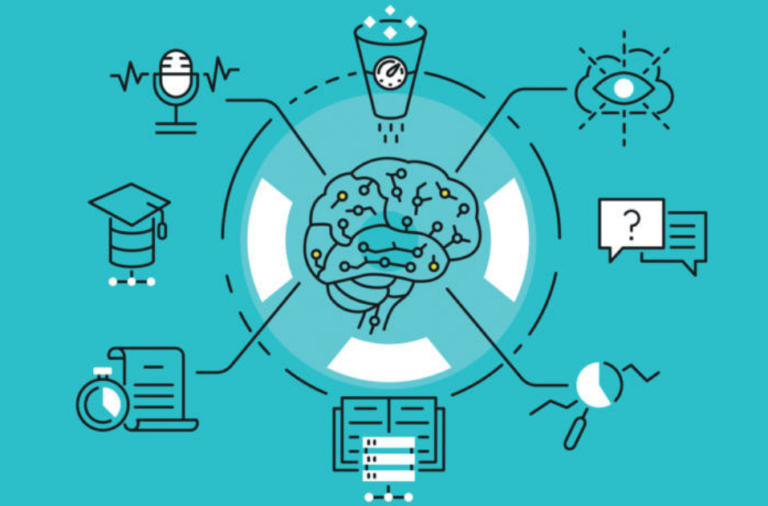
Big Data Analytics refers to the process of examining large and complex datasets to uncover patterns, correlations, trends, and insights. These datasets are often too vast for traditional data processing tools and require specialized technologies such as:
- Machine Learning
- Artificial Intelligence (AI)
- Data Mining
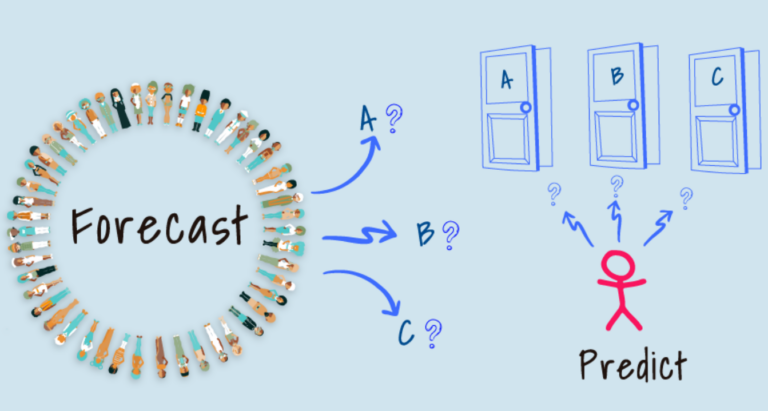
- Predictive Analytics
- Cloud Computing
The main goal is to transform raw data into actionable intelligence that drives better business outcomes.
Key Benefits of Big Data Analytics
Before diving into industry-specific use cases, it’s important to understand the core benefits:
- Improved Decision-Making: Data-driven insights reduce guesswork.
- Cost Optimization: Identifies inefficiencies and reduces operational costs.
- Enhanced Customer Experience: Personalization based on user behavior.
- Risk Management: Predicts and mitigates potential risks.
- Innovation: Enables development of new products and services.
1. Healthcare Industry
Use Case 1: Predictive Analytics for Patient Care
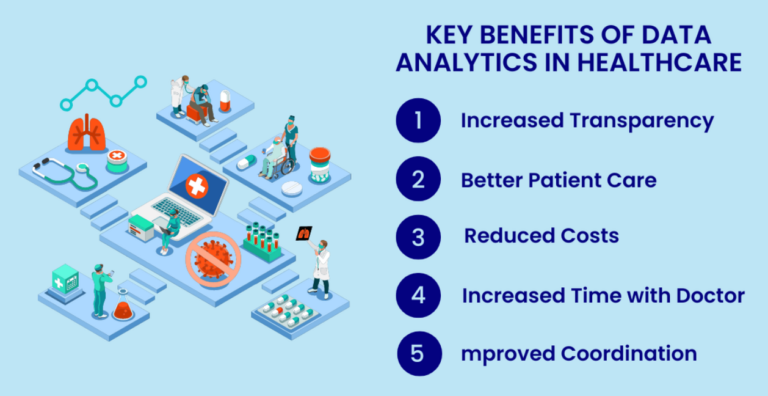
Healthcare providers use Big Data Analytics to predict diseases before they occur. By analyzing patient records, lifestyle data, and genetic information, doctors can identify high-risk individuals and take preventive measures.
Use Case 2: Personalized Medicine
Big Data enables personalized treatment plans based on a patient’s unique genetic makeup and medical history. This improves treatment effectiveness and reduces side effects.
Use Case 3: Hospital Resource Management
Hospitals use analytics to optimize staffing, manage bed occupancy, and reduce wait times. This leads to better patient care and operational efficiency.
Impact
- Reduced healthcare costs
- Improved patient outcomes
- Faster diagnosis and treatment
2. Financial Services
Use Case 1: Fraud Detection
Banks and financial institutions use real-time data analysis to detect unusual transaction patterns. Machine learning models can flag suspicious activities instantly.
Use Case 2: Credit Risk Assessment
Big Data helps lenders evaluate a borrower’s creditworthiness by analyzing financial history, spending habits, and alternative data sources.
Use Case 3: Algorithmic Trading
Financial firms use analytics to execute trades at high speed based on market trends and predictive models.
Impact
- Reduced fraud losses
- Improved risk management
- Increased profitability
3. Retail and E-Commerce
Use Case 1: Customer Personalization
Retailers analyze browsing history, purchase behavior, and preferences to offer personalized product recommendations.
Use Case 2: Inventory Management
Big Data helps predict demand and optimize stock levels, reducing overstocking and stockouts.
Use Case 3: Dynamic Pricing
Retailers adjust prices in real-time based on demand, competition, and customer behavior.
Impact
- Higher conversion rates
- Improved customer satisfaction
- Increased sales and revenue
4. Manufacturing Industry
Use Case 1: Predictive Maintenance
Sensors and IoT devices collect data from machinery, allowing manufacturers to predict equipment failures before they occur.
Use Case 2: Quality Control
Analytics identifies defects in production processes, ensuring consistent product quality.
Use Case 3: Supply Chain Optimization
Manufacturers use data to streamline supply chains, reduce delays, and improve logistics.
Impact
- Reduced downtime
- Improved product quality
- Lower operational costs
5. Transportation and Logistics
Use Case 1: Route Optimization
Logistics companies use real-time data to determine the most efficient delivery routes, reducing fuel consumption and delivery times.
Use Case 2: Fleet Management
Analytics helps monitor vehicle performance, driver behavior, and maintenance needs.
Use Case 3: Demand Forecasting
Companies predict shipping demand to optimize resource allocation.
Impact
- Faster deliveries
- Reduced operational costs
- Improved customer satisfaction
6. Telecommunications
Use Case 1: Customer Churn Prediction
Telecom companies analyze customer behavior to identify those likely to switch providers and take proactive retention measures.
Use Case 2: Network Optimization
Big Data helps monitor network performance and identify issues before they affect users.
Use Case 3: Personalized Marketing
Telecom providers offer customized plans based on user usage patterns.
Impact
- Reduced churn rates
- Better network performance
- Increased customer loyalty
7. Energy and Utilities
Use Case 1: Smart Grid Management
Big Data enables real-time monitoring and management of energy distribution networks.
Use Case 2: Energy Consumption Analysis
Utilities analyze usage patterns to promote energy efficiency and reduce waste.
Use Case 3: Predictive Maintenance
Analytics helps detect potential failures in power plants and infrastructure.
Impact
- Improved energy efficiency
- Reduced outages
- Lower operational costs
8. Education Sector
Use Case 1: Student Performance Analysis
Educational institutions use data to track student progress and identify areas for improvement.
Use Case 2: Personalized Learning
Big Data enables customized learning paths based on individual student needs.
Use Case 3: Enrollment Management
Institutions predict enrollment trends and optimize resource allocation.
Impact
- Better learning outcomes
- Increased student engagement
- Improved institutional efficiency
9. Media and Entertainment
Use Case 1: Content Recommendation
Streaming platforms analyze viewing habits to recommend movies, shows, and music.
Use Case 2: Audience Analytics
Media companies understand audience preferences to create targeted content.
Use Case 3: Ad Targeting
Big Data enables precise audience targeting for advertising campaigns.
Impact
- Increased user engagement
- Higher ad revenue
- Better content strategies
10. Government and Public Sector
Use Case 1: Smart Cities
Governments use data to manage traffic, waste, and public services efficiently.
Use Case 2: Crime Prevention
Law enforcement agencies analyze crime data to predict and prevent criminal activities.
Use Case 3: Disaster Management
Big Data helps predict natural disasters and coordinate emergency responses.
Impact
- Improved public safety
- Efficient resource allocation
- Enhanced quality of life
Challenges of Big Data Analytics
Despite its benefits, Big Data Analytics comes with challenges:
- Data Privacy and Security: Protecting sensitive information is critical.
- Data Quality Issues: Inaccurate data can lead to poor decisions.
- High Implementation Costs: Requires investment in technology and talent.
- Complexity: Managing and analyzing large datasets can be challenging.
Future Trends in Big Data Analytics
The future of Big Data Analytics is promising, with several trends shaping its evolution:
1. AI Integration
Artificial Intelligence will play a larger role in automating data analysis and generating insights.
2. Real-Time Analytics
Businesses will increasingly rely on real-time data for instant decision-making.
3. Edge Computing
Processing data closer to its source will reduce latency and improve efficiency.
4. Data Democratization
More users within organizations will have access to data and analytics tools.
Conclusion
Big Data Analytics is no longer a luxury—it is a necessity for organizations aiming to thrive in a data-driven world. From healthcare and finance to retail and government, its applications are vast and impactful. By leveraging Big Data, businesses can unlock new opportunities, improve efficiency, and deliver better experiences to their customers.
As technology continues to evolve, the importance of Big Data Analytics will only grow. Organizations that embrace it today will be better positioned to lead in the future, while those that ignore it risk falling behind in an increasingly competitive landscape.
Final Thoughts
If you are a business owner, entrepreneur, or professional, now is the time to invest in Big Data Analytics. Start by identifying key areas where data can drive value, implement the right tools, and build a data-driven culture within your organization.
The industries highlighted above are just the beginning—Big Data Analytics has the potential to revolutionize every sector. The question is not whether to adopt it, but how quickly you can leverage it to stay ahead.