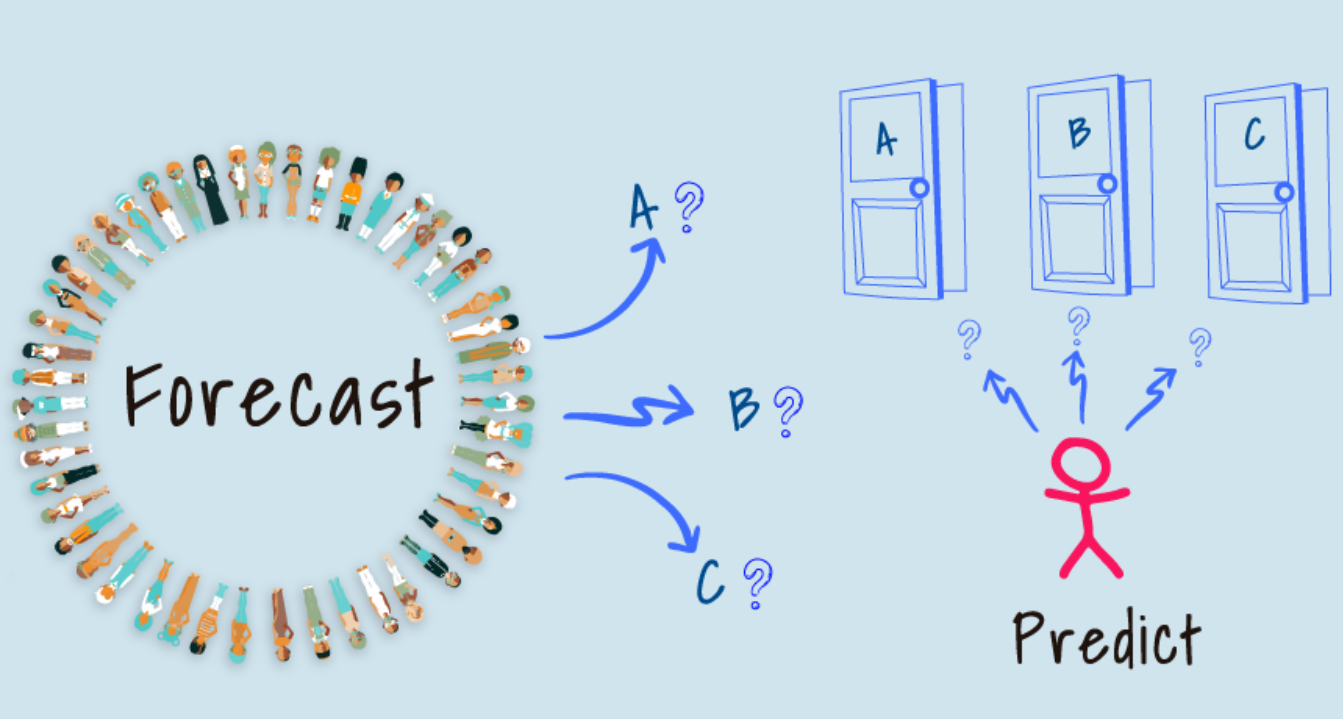
In today’s digital economy, organizations are generating and collecting more data than ever before. From customer transactions and social media interactions to sensor outputs and machine logs, the volume, velocity, and variety of data continue to expand at an unprecedented pace. This explosion of information has given rise to big data analytics, a powerful approach that enables businesses to extract meaningful insights and make data-driven decisions.
One of the most impactful applications of big data analytics is predictive modeling and forecasting. These techniques allow organizations to anticipate future outcomes, identify trends, and reduce uncertainty. By leveraging large datasets and advanced algorithms, businesses can gain a competitive advantage, improve operational efficiency, and enhance customer experiences.
This article explores how big data analytics supports predictive modeling and forecasting, the technologies involved, key benefits, real-world use cases, challenges, and best practices.
Understanding Big Data Analytics
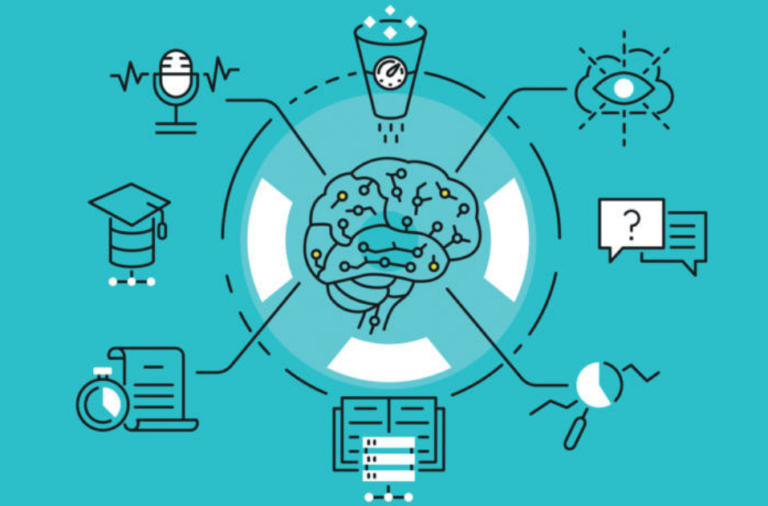
Big data analytics refers to the process of examining large and complex datasets to uncover hidden patterns, correlations, and insights. It involves the use of advanced tools and techniques such as machine learning, data mining, and statistical analysis.
The concept of big data is often defined by the “3 Vs”:
- Volume: Massive amounts of data generated every second
- Velocity: The speed at which data is produced and processed
- Variety: Different types of data, including structured, semi-structured, and unstructured
Modern big data platforms can handle terabytes or even petabytes of data, enabling organizations to process information in real time or near real time.
What Is Predictive Modeling?
Predictive modeling is a statistical technique that uses historical data to predict future outcomes. It involves building mathematical models that capture relationships between variables and applying these models to new data.
Common predictive modeling techniques include:
- Regression analysis
- Decision trees
- Neural networks
- Time series analysis
- Support vector machines
These models are trained on historical datasets and then validated to ensure accuracy before being deployed in real-world scenarios.
What Is Forecasting?
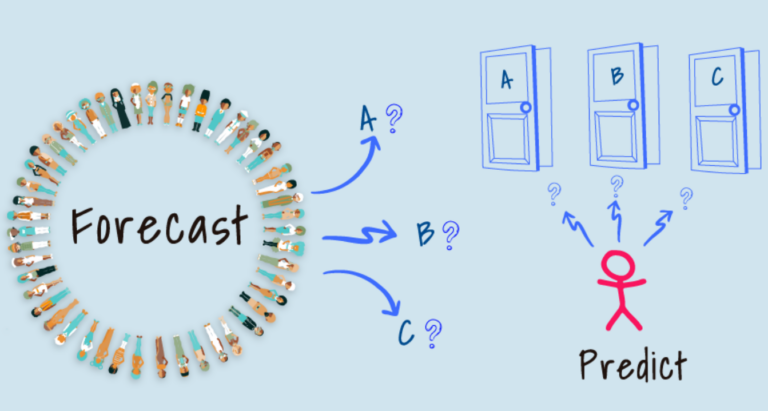
Forecasting is a specific type of predictive modeling focused on estimating future values based on historical trends. It is widely used in areas such as sales, demand planning, financial markets, and weather prediction.
Forecasting techniques include:
- Time series forecasting
- Exponential smoothing
- ARIMA models
- Seasonal decomposition
Forecasting helps organizations plan ahead, allocate resources efficiently, and respond proactively to changes.
The Role of Big Data in Predictive Modeling
1. Access to Large and Diverse Datasets
Big data analytics enables organizations to use vast amounts of structured and unstructured data. This improves the accuracy of predictive models because more variables and patterns can be analyzed.
For example, a retail company can combine transaction data, customer demographics, browsing behavior, and social media sentiment to build more accurate demand forecasts.
2. Improved Model Accuracy
The availability of large datasets allows machine learning algorithms to learn more effectively. With more training data, models can detect subtle patterns and reduce errors.
This leads to more reliable predictions, which is crucial for decision-making in high-stakes environments.
3. Real-Time Data Processing
Big data technologies enable real-time or near real-time data processing. This allows predictive models to be updated continuously as new data arrives.
For instance, financial institutions can detect fraudulent transactions instantly by analyzing streaming data.
4. Advanced Analytics Techniques
Big data platforms support advanced analytics techniques such as deep learning and natural language processing. These techniques can handle complex data types like text, images, and audio.
This expands the scope of predictive modeling beyond traditional numerical data.
5. Scalability and Performance
Big data infrastructure is designed to scale horizontally, meaning it can handle increasing amounts of data without compromising performance.
This scalability ensures that predictive models can operate efficiently even as data volumes grow.
Technologies Enabling Big Data Analytics
Several technologies play a key role in enabling big data analytics for predictive modeling and forecasting:
1. Distributed Computing Frameworks
Frameworks like Hadoop and Spark allow data to be processed across multiple machines. This parallel processing capability significantly reduces computation time.
2. Cloud Computing
Cloud platforms provide flexible and cost-effective storage and computing resources. Organizations can scale their infrastructure on demand.
3. Data Lakes and Warehouses
Data lakes store raw data in its native format, while data warehouses store structured data optimized for analysis. Both are essential for big data analytics.
4. Machine Learning Platforms
Tools such as TensorFlow, Scikit-learn, and PyTorch enable the development and deployment of predictive models.
5. Streaming Technologies
Technologies like Apache Kafka and Flink support real-time data ingestion and processing.
Benefits of Using Big Data for Forecasting
1. Enhanced Decision-Making
Data-driven insights help organizations make informed decisions rather than relying on intuition.
2. Increased Efficiency
Predictive models can optimize operations, reduce waste, and improve resource allocation.
3. Risk Mitigation
By forecasting potential risks, organizations can take preventive actions.
4. Competitive Advantage
Companies that leverage big data analytics can stay ahead of competitors by anticipating market trends.
5. Personalization
Predictive analytics enables personalized experiences for customers, increasing satisfaction and loyalty.
Real-World Use Cases
1. Retail
Retailers use predictive analytics to forecast demand, manage inventory, and optimize pricing strategies.
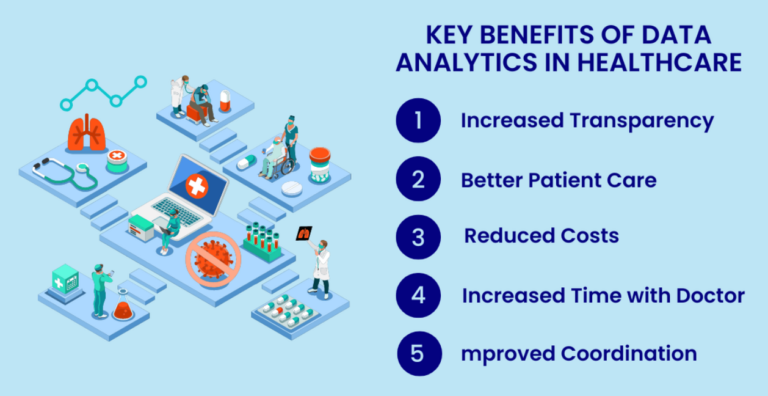
2. Healthcare
Healthcare providers use predictive models to identify at-risk patients and improve treatment outcomes.
3. Finance
Banks use forecasting models for credit scoring, fraud detection, and market analysis.
4. Manufacturing
Manufacturers use predictive maintenance to reduce downtime and improve productivity.
5. Transportation
Logistics companies use forecasting to optimize routes and reduce delivery times.
Challenges in Big Data Predictive Modeling
1. Data Quality Issues
Poor-quality data can lead to inaccurate predictions. Ensuring data cleanliness is essential.
2. Complexity of Models
Advanced models can be difficult to interpret and require specialized expertise.
3. Data Privacy Concerns
Handling sensitive data requires compliance with regulations and strong security measures.
4. Integration Challenges
Combining data from multiple sources can be complex and time-consuming.
5. High Costs
Implementing big data infrastructure can be expensive, especially for small businesses.
Best Practices for Effective Predictive Modeling
1. Define Clear Objectives
Start with a clear understanding of the problem you want to solve.
2. Ensure Data Quality
Clean and preprocess data before using it for modeling.
3. Choose the Right Algorithms
Select algorithms based on the nature of the problem and data.
4. Validate and Test Models
Use techniques like cross-validation to ensure model accuracy.
5. Monitor and Update Models
Continuously monitor model performance and update it as needed.
Future Trends in Big Data and Forecasting
The future of big data analytics in predictive modeling is promising. Emerging trends include:
- Increased use of artificial intelligence
- Automated machine learning (AutoML)
- Edge computing for real-time predictions
- Integration of IoT data
- Explainable AI for better transparency
These advancements will make predictive modeling more accessible and powerful.
Conclusion
Big data analytics has transformed the way organizations approach predictive modeling and forecasting. By leveraging large datasets, advanced technologies, and sophisticated algorithms, businesses can gain valuable insights and make informed decisions.
Despite challenges such as data quality and complexity, the benefits far outweigh the drawbacks. Organizations that adopt best practices and invest in the right tools will be well-positioned to thrive in the data-driven era.
As technology continues to evolve, the role of big data in predictive analytics will only become more significant, enabling even more accurate and actionable forecasts.