Starting a business in 2026 has never been more exciting—or more accessible. With rapid advancements in financial technology, a growing global startup ecosystem, and increased competition among lenders, entrepreneurs today have more funding options than ever before. However, navigating the world of business loans can still feel overwhelming, especially for first-time founders.
In this comprehensive guide, we will explore the best business loans for startups in 2026, how they work, their advantages and disadvantages, and how you can choose the right funding option to grow your business successfully.
Why Startups Need Business Loans
Launching a startup often requires significant capital. Whether you’re building a tech platform, opening a retail store, or starting an online service, initial expenses can include:
- Product development
- Marketing and branding
- Hiring employees
- Equipment and inventory
- Office or operational costs
While some entrepreneurs rely on personal savings or investments from friends and family, business loans offer a structured and scalable way to fund your startup without giving up equity.
In 2026, lenders have become more flexible, making it easier for startups—even those without long credit histories—to access funding.
Key Features of Startup Business Loans in 2026
Before diving into specific loan types, it’s important to understand what makes modern startup loans different:
1. Faster Approval Times
Digital lending platforms now use AI-driven underwriting systems, allowing approvals within hours or days instead of weeks.
2. Flexible Requirements
Many lenders no longer require years of business history. Some even cater specifically to new startups.
3. Alternative Credit Evaluation
Instead of relying solely on credit scores, lenders analyze:
- Cash flow projections
- Business models
- Market potential
- Online sales data
4. Customizable Loan Structures
Borrowers can choose repayment terms that align with their revenue cycles.
Top Business Loan Options for Startups in 2026
1. Traditional Bank Loans
Traditional bank loans remain a popular option, especially for startups with strong financial backing.
Pros:
- Lower interest rates
- Longer repayment terms
- Trusted financial institutions
Cons:
- Strict eligibility requirements
- Lengthy approval process
- Requires collateral
Best For:
Startups with strong credit, detailed business plans, and some operating history.
2. SBA Loans (Small Business Administration Loans)
Government-backed loans continue to be one of the most attractive funding options.
Pros:
- Low interest rates
- Long repayment periods
- Partial government guarantee
Cons:
- Complex application process
- Slower funding timeline
Best For:
Startups looking for affordable, long-term financing.
3. Online Business Loans
Online lenders dominate the startup funding space in 2026 due to their speed and accessibility.
Pros:
- Fast approval (often within 24–72 hours)
- Minimal paperwork
- Flexible requirements
Cons:
- Higher interest rates
- Shorter repayment terms
Best For:
Startups needing quick capital for immediate opportunities.
4. Microloans
Microloans are small loans, typically under $50,000, designed for early-stage startups.
Pros:
- Easier approval
- Lower borrowing amounts reduce risk
- Ideal for small projects
Cons:
- Limited funding amount
- May still require a business plan
Best For:
Entrepreneurs testing a business idea or launching on a small scale.
5. Equipment Financing
If your startup requires machinery, tools, or technology, equipment financing is a smart option.
Pros:
- Equipment serves as collateral
- Easier approval
- Preserves working capital
Cons:
- Limited to equipment purchases
- Risk of asset repossession
Best For:
Manufacturing, construction, or tech startups needing expensive equipment.
6. Business Lines of Credit
A business line of credit provides flexible access to funds, similar to a credit card.
Pros:
- Borrow only what you need
- Pay interest only on used funds
- Revolving credit
Cons:
- Variable interest rates
- Requires financial discipline
Best For:
Managing cash flow and covering short-term expenses.
7. Invoice Financing
Startups that invoice clients can leverage unpaid invoices to access immediate cash.
Pros:
- Improves cash flow
- No need for collateral
- Based on accounts receivable
Cons:
- Fees can be high
- Depends on client payment reliability
Best For:
B2B startups with long payment cycles.
8. Revenue-Based Financing
A growing trend in 2026, revenue-based financing allows startups to repay loans as a percentage of their revenue.
Pros:
- Flexible repayment
- No fixed monthly payments
- Scales with business growth
Cons:
- Can be expensive over time
- Requires consistent revenue
Best For:
Startups with steady sales but limited credit history.
9. Peer-to-Peer (P2P) Lending
P2P platforms connect startups directly with individual investors.
Pros:
- Competitive interest rates
- Easier approval than banks
- Diverse funding sources
Cons:
- Platform fees
- Limited loan amounts
Best For:
Startups seeking alternative funding sources outside traditional banks.
10. Startup-Specific Loan Programs
In 2026, many lenders and fintech platforms offer loans tailored specifically for startups.
Features:
- No revenue requirement
- Focus on business potential
- Mentorship support included
Best For:
Early-stage startups with innovative ideas but limited financial history.
How to Choose the Right Business Loan
Selecting the right loan depends on your startup’s unique needs. Here are key factors to consider:
1. Loan Purpose
Define how you plan to use the funds:
- Expansion
- Inventory
- Hiring
- Marketing
2. Loan Amount
Borrow only what you need to avoid unnecessary debt.
3. Interest Rates
Compare APR (Annual Percentage Rate) across lenders.
4. Repayment Terms
Ensure the repayment schedule aligns with your cash flow.
5. Eligibility Requirements
Check:
- Credit score
- Business plan
- Revenue projections
How to Qualify for a Startup Business Loan in 2026
Even without a long business history, you can improve your chances of approval:
1. Build a Strong Business Plan
Include:
- Market analysis
- Revenue model
- Growth strategy
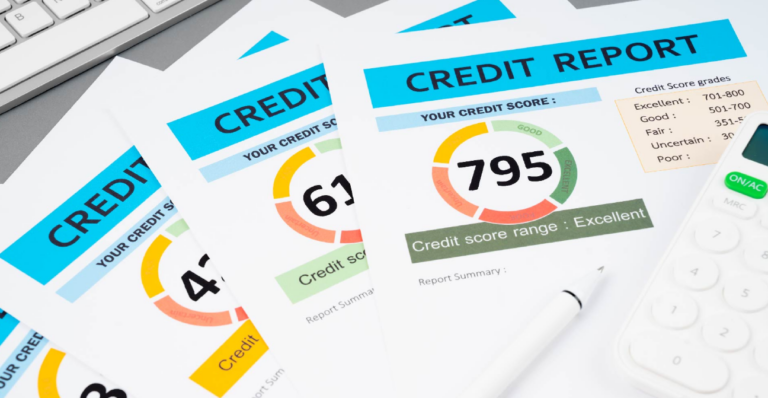
2. Improve Your Credit Score
A higher personal credit score increases trust with lenders.
3. Show Proof of Demand
Demonstrate traction through:
- Pre-orders
- Customer signups
- Sales data
4. Prepare Financial Projections
Clear, realistic projections show lenders your repayment capability.
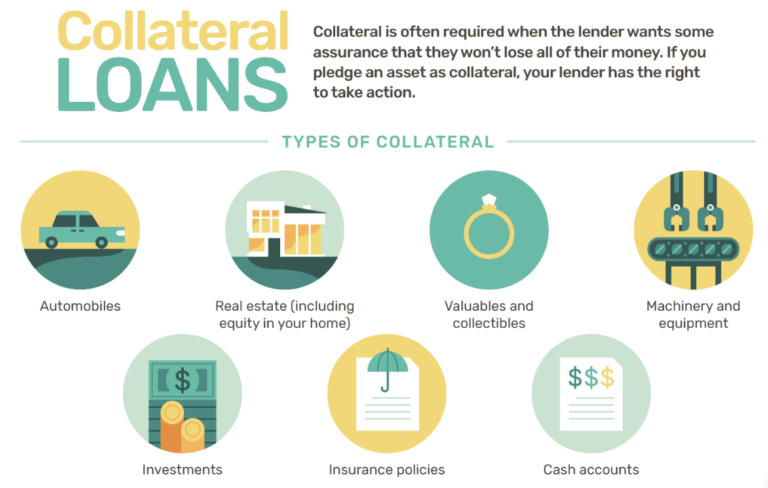
5. Offer Collateral (If Possible)
Assets can reduce lender risk and improve approval chances.
Common Mistakes to Avoid
1. Borrowing Too Much
Overestimating your needs can lead to financial strain.
2. Ignoring Loan Terms
Always read the fine print, including hidden fees.
3. Choosing Speed Over Cost
Fast loans may come with higher interest rates.
4. Lack of Financial Planning
Without a repayment strategy, even a good loan can become a burden.
Trends in Startup Financing in 2026
1. AI-Driven Lending
Lenders use artificial intelligence to evaluate risk and approve loans faster.
2. Embedded Finance
Funding options are integrated into platforms startups already use.
3. Global Lending Access
Startups can now access international lenders more easily.
4. Sustainability-Based Loans
Eco-friendly businesses may receive better terms and incentives.
Alternatives to Business Loans
If loans aren’t the right fit, consider these alternatives:
- Venture capital
- Angel investors
- Crowdfunding
- Grants
- Bootstrapping
Each option has its own pros and cons, especially regarding ownership and control.
Step-by-Step Guide to Applying for a Startup Loan
- Determine your funding needs
- Research lenders and compare options
- Prepare documentation
- Business plan
- Financial projections
- Personal financial statements
- Submit your application
- Review loan offers carefully
- Accept and use funds strategically
Tips for Managing Your Loan Successfully
- Track expenses carefully
- Maintain consistent cash flow
- Pay on time to build credit
- Reinvest profits wisely
- Communicate with your lender if issues arise
Final Thoughts
Business loans for startups in 2026 are more accessible, flexible, and diverse than ever before. Whether you choose a traditional bank loan, an online lender, or a modern financing option like revenue-based funding, the key is to align your choice with your business goals and financial situation.
By understanding your options, preparing thoroughly, and borrowing responsibly, you can secure the funding you need to turn your startup vision into a thriving reality.
FAQs
1. Can I get a business loan without revenue?
Yes, many lenders in 2026 offer startup-specific loans based on your business plan and potential rather than existing revenue.
2. What is the easiest loan to get for a startup?
Online business loans and microloans are typically the easiest due to flexible requirements.
3. How much can a startup borrow?
It depends on the lender, but startups can typically borrow anywhere from $5,000 to $500,000 or more.
4. Are startup loans risky?
Like any debt, they carry risk. However, proper planning and responsible borrowing can minimize it.
5. How fast can I get funding?
Some online lenders provide funding within 24–72 hours after approval.