In today’s data-driven economy, organizations generate and process massive volumes of information every second. From customer interactions and online transactions to IoT sensors and social media engagement, data has become the backbone of strategic decision-making. However, raw data alone holds little value unless it is effectively analyzed and transformed into actionable insights. This is where big data analytics tools and platforms play a crucial role.
Modern businesses rely on powerful analytics solutions to uncover patterns, predict trends, optimize operations, and gain a competitive edge. In this comprehensive guide, we will explore the best big data analytics tools and platforms, their key features, benefits, and how to choose the right solution for your organization.
What is Big Data Analytics?
Big data analytics refers to the process of examining large and complex datasets to uncover hidden patterns, correlations, market trends, and customer preferences. These insights help organizations make informed decisions, improve efficiency, and drive innovation.
Big data is typically characterized by the “3 Vs”:
- Volume – Massive amounts of data
- Velocity – Rapid data processing speed
- Variety – Different types of data (structured and unstructured)
Modern analytics tools are designed to handle these challenges efficiently, enabling businesses to process data at scale.
Why Big Data Analytics is Important for Modern Businesses
Before diving into the tools, it’s important to understand why big data analytics is essential:
1. Better Decision-Making
Analytics tools provide real-time insights, enabling businesses to make faster and more accurate decisions.
2. Enhanced Customer Experience
By analyzing customer behavior, companies can personalize offerings and improve satisfaction.
3. Operational Efficiency
Businesses can identify inefficiencies and optimize processes using data-driven insights.
4. Competitive Advantage
Organizations that leverage big data effectively can stay ahead of competitors.
5. Risk Management
Predictive analytics helps identify potential risks and mitigate them proactively.
Key Features to Look for in Big Data Analytics Tools
When selecting a big data analytics platform, consider the following features:
- Scalability – Ability to handle growing data volumes
- Real-Time Processing – Instant data analysis capabilities
- Data Integration – Support for multiple data sources
- Advanced Analytics – Machine learning and AI capabilities
- User-Friendly Interface – Easy to use for non-technical users
- Security and Compliance – Data protection and regulatory compliance
- Visualization Tools – Interactive dashboards and reports
Top Big Data Analytics Tools and Platforms
Below are some of the best big data analytics tools and platforms widely used by modern businesses.
1. Apache Hadoop
Apache Hadoop is one of the most popular open-source frameworks for distributed data storage and processing.
Key Features:
- Distributed storage using Hadoop Distributed File System (HDFS)
- Parallel data processing with MapReduce
- Highly scalable and cost-effective
- Supports structured and unstructured data
Best For:
Large-scale data processing and batch analytics.
Pros:
- Open-source and flexible
- Handles massive datasets efficiently
Cons:
- Requires technical expertise
- Slower for real-time analytics
2. Apache Spark
Apache Spark is a fast, in-memory data processing engine that is widely used for real-time analytics.
Key Features:
- Lightning-fast processing speed
- Supports SQL, streaming, machine learning, and graph processing
- Easy integration with Hadoop
Best For:
Real-time data analytics and machine learning applications.
Pros:
- High performance
- Versatile and developer-friendly
Cons:
- Requires significant memory resources
3. Google BigQuery
Google BigQuery is a fully managed, serverless data warehouse designed for large-scale analytics.
Key Features:
- Serverless architecture
- Real-time data analysis
- Built-in machine learning capabilities
- High scalability
Best For:
Businesses looking for a cloud-based analytics solution with minimal infrastructure management.
Pros:
- Easy to use
- Fast query performance
Cons:
- Cost can increase with heavy usage
4. Amazon Redshift
Amazon Redshift is a powerful data warehouse solution designed for high-performance analytics.
Key Features:
- Columnar storage for faster queries
- Integration with AWS ecosystem
- Scalable architecture
- Advanced security features
Best For:
Organizations already using AWS services.
Pros:
- High performance
- Seamless AWS integration
Cons:
- Requires configuration and management
5. Microsoft Azure Synapse Analytics
Azure Synapse combines big data analytics and data warehousing into a single platform.
Key Features:
- Unified analytics experience
- Integration with Power BI
- Supports SQL and Spark
- Enterprise-grade security
Best For:
Enterprises using Microsoft ecosystem.
Pros:
- Highly scalable
- Strong integration with Microsoft tools
Cons:
- Learning curve for beginners
6. Tableau
Tableau is a leading data visualization tool that helps businesses create interactive dashboards.
Key Features:
- Drag-and-drop interface
- Real-time analytics
- Advanced visualization capabilities
- Integration with multiple data sources
Best For:
Data visualization and business intelligence.
Pros:
- User-friendly
- Powerful visualization features
Cons:
- Expensive for small businesses
7. Power BI
Power BI is a business analytics tool that enables users to visualize data and share insights.
Key Features:
- Interactive dashboards
- Integration with Microsoft products
- AI-powered insights
- Real-time data monitoring
Best For:
Small to medium-sized businesses.
Pros:
- Affordable
- Easy to use
Cons:
- Limited customization compared to advanced tools
8. SAS Analytics
SAS is a powerful analytics platform known for advanced statistical analysis.
Key Features:
- Advanced analytics and machine learning
- Data mining capabilities
- High-level security
- Industry-specific solutions
Best For:
Large enterprises and data scientists.
Pros:
- Highly reliable
- Strong analytics capabilities
Cons:
- Expensive
- Requires expertise
9. IBM Watson Analytics
IBM Watson leverages AI to provide smart data insights and predictive analytics.
Key Features:
- AI-driven analytics
- Natural language processing
- Predictive modeling
- Automated data preparation
Best For:
Businesses seeking AI-powered analytics.
Pros:
- Intelligent insights
- Easy-to-use interface
Cons:
- Costly for smaller organizations
10. Qlik Sense
Qlik Sense is a modern data analytics platform with self-service capabilities.
Key Features:
- Associative data model
- Interactive dashboards
- Real-time analytics
- AI-powered insights
Best For:
Organizations needing flexible data exploration.
Pros:
- Intuitive interface
- Strong data discovery features
Cons:
- Setup can be complex
Cloud vs On-Premise Big Data Platforms
When choosing a big data analytics solution, businesses must decide between cloud-based and on-premise platforms.
Cloud-Based Platforms
Advantages:
- Scalability
- Lower upfront costs
- Easy maintenance
Disadvantages:
- Ongoing subscription costs
- Data security concerns
On-Premise Platforms
Advantages:
- Full control over data
- Enhanced security
Disadvantages:
- High infrastructure costs
- Limited scalability
How to Choose the Right Big Data Analytics Tool
Selecting the right tool depends on several factors:
1. Business Needs
Identify your goals, whether it’s real-time analytics, reporting, or predictive modeling.
2. Budget
Consider both initial and ongoing costs.
3. Scalability
Ensure the platform can grow with your business.
4. Ease of Use
Choose tools that match your team’s technical expertise.
5. Integration
Ensure compatibility with existing systems.
6. Support and Community
Look for platforms with strong support and active communities.
Future Trends in Big Data Analytics
The field of big data analytics is evolving rapidly. Here are some trends shaping the future:
1. Artificial Intelligence Integration
AI and machine learning are becoming integral to analytics platforms.
2. Real-Time Analytics
Businesses increasingly demand instant insights.
3. Data Automation
Automation reduces manual effort and increases efficiency.
4. Edge Computing
Processing data closer to the source improves speed and performance.
5. Data Privacy and Governance
Stricter regulations require better data management practices.
Benefits of Using Big Data Analytics Tools
Implementing the right analytics tools can deliver significant benefits:
- Improved decision-making
- Increased operational efficiency
- Better customer insights
- Enhanced innovation
- Higher profitability
Common Challenges in Big Data Analytics
Despite its advantages, big data analytics comes with challenges:
1. Data Quality Issues
Poor data quality can lead to inaccurate insights.
2. Integration Complexity
Combining data from multiple sources can be difficult.
3. High Costs
Some platforms require significant investment.
4. Skill Shortage
There is a growing demand for skilled data professionals.
Conclusion
Big data analytics has become a critical component of modern business strategy. With the right tools and platforms, organizations can unlock the full potential of their data, gain valuable insights, and stay competitive in an increasingly digital world.
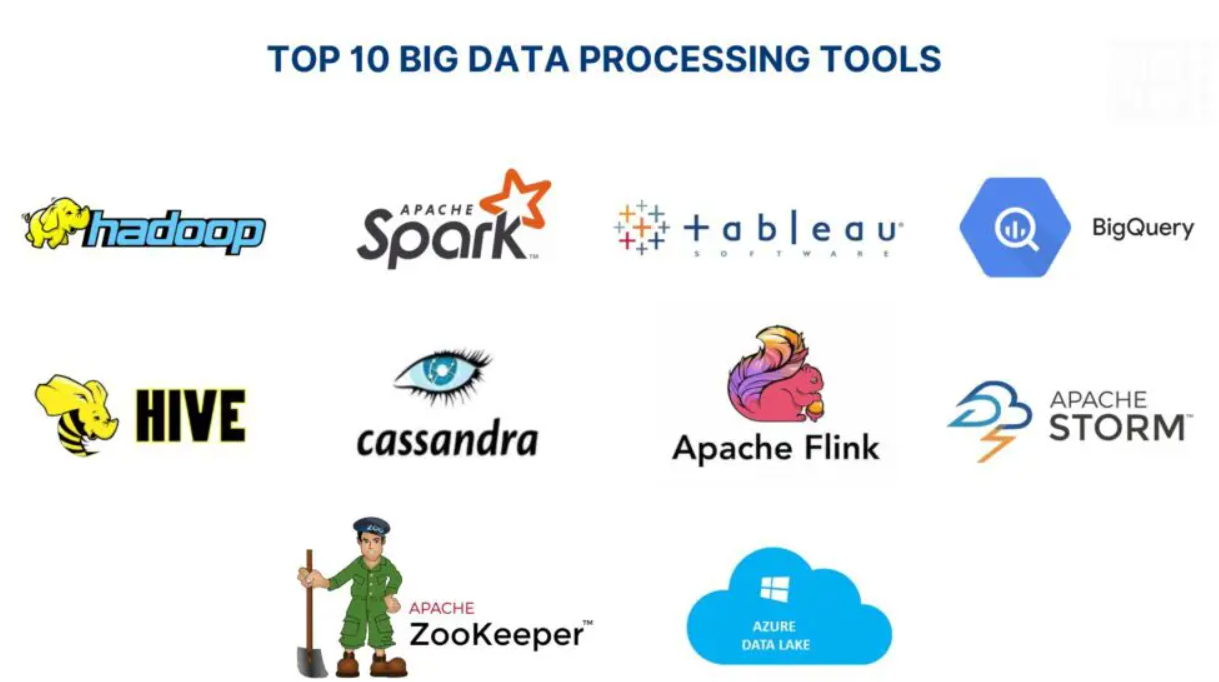
From powerful frameworks like Apache Hadoop and Apache Spark to user-friendly tools like Tableau and Power BI, there are numerous options available to suit different business needs. Cloud-based platforms such as Google BigQuery, Amazon Redshift, and Azure Synapse offer scalability and flexibility, making them ideal for growing organizations.
Choosing the best big data analytics tool requires careful consideration of your business goals, budget, and technical capabilities. By investing in the right solution, businesses can transform data into a strategic asset and drive long-term success.