Your credit score plays a crucial role in your financial life, especially when applying for loans. Whether you’re planning to buy a home, finance a car, or secure a personal loan, lenders rely heavily on your credit score to determine your eligibility, interest rates, and loan terms. A higher credit score not only increases your chances of approval but can also save you thousands of dollars over time.
If you’re preparing to apply for a loan, improving your credit score beforehand is one of the smartest financial moves you can make. The good news? With the right strategies and consistent effort, you can boost your credit score faster than you might think.
In this comprehensive guide, we’ll walk you through everything you need to know about improving your credit score before applying for loans—step by step.
Understanding Your Credit Score
Before you can improve your credit score, it’s important to understand what it is and how it works.
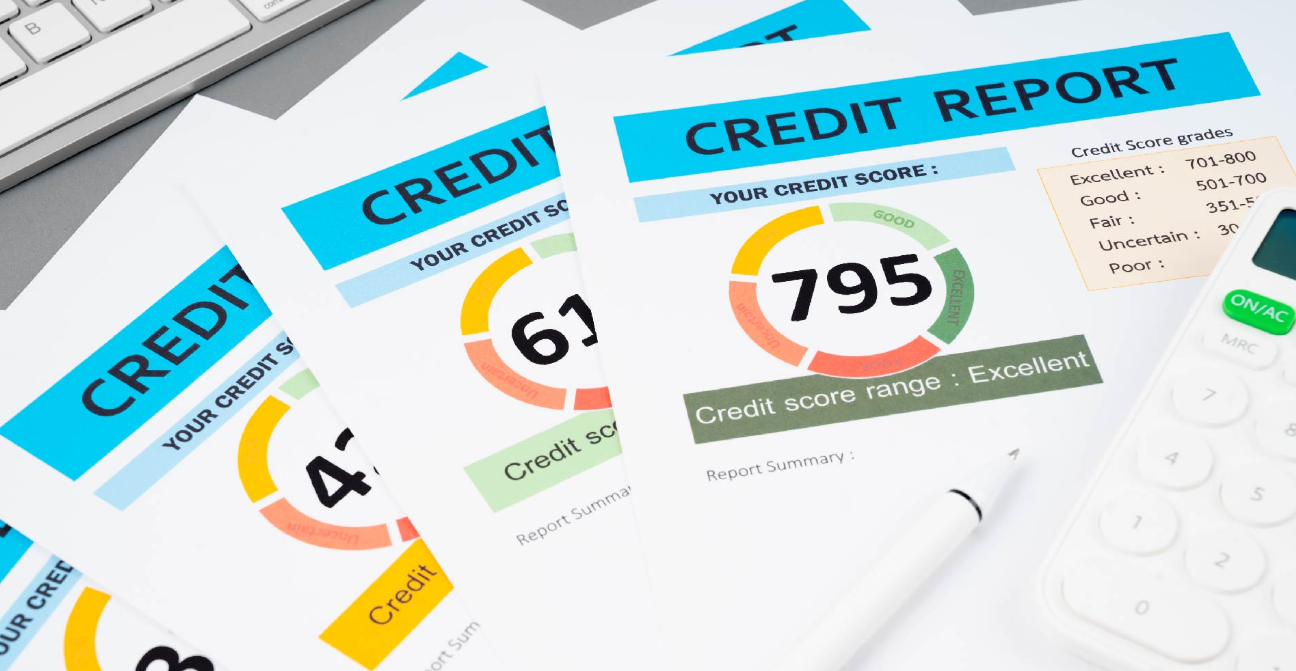
A credit score is a three-digit number, typically ranging from 300 to 850, that reflects your creditworthiness. Lenders use it to evaluate how likely you are to repay borrowed money.
Key Factors That Affect Your Credit Score
- Payment History (35%)
Your track record of paying bills on time is the most important factor. - Credit Utilization (30%)
This measures how much of your available credit you’re using. - Length of Credit History (15%)
The longer your credit history, the better. - Credit Mix (10%)
A variety of credit types (credit cards, loans, etc.) can help your score. - New Credit Inquiries (10%)
Applying for too many new accounts in a short period can lower your score.
Why Your Credit Score Matters Before Applying for Loans
Improving your credit score before applying for a loan can have several major benefits:
- Lower Interest Rates: A higher score can qualify you for better rates.
- Higher Loan Approval Chances: Lenders prefer borrowers with strong credit profiles.
- Better Loan Terms: You may get longer repayment periods or lower fees.
- Stronger Negotiation Power: A good score puts you in a better position to negotiate.
Step-by-Step Guide to Improving Your Credit Score
1. Check Your Credit Report for Errors
Start by obtaining your credit report from major credit bureaus. Carefully review it for inaccuracies such as:
- Incorrect personal information
- Accounts you don’t recognize
- Late payments that were actually on time
What to do:
Dispute any errors immediately. Fixing inaccuracies can quickly boost your score.
2. Pay Your Bills on Time—Every Time
Your payment history is the biggest factor affecting your credit score.
Tips to stay on track:
- Set up automatic payments
- Use reminders or calendar alerts
- Pay at least the minimum due if you can’t pay the full amount
Even one missed payment can significantly impact your score.
3. Reduce Your Credit Utilization Ratio
Credit utilization refers to the percentage of your available credit that you’re using.
Ideal target: Keep it below 30%, and ideally under 10%.
How to lower it:
- Pay down credit card balances
- Make multiple payments throughout the month
- Request a credit limit increase (without increasing spending)
4. Avoid Opening Too Many New Accounts
Each time you apply for credit, a hard inquiry is recorded on your report.
Why this matters:
- Multiple inquiries in a short time signal risk to lenders
- It can temporarily lower your score
Best practice:
Avoid applying for new credit at least 3–6 months before applying for a loan.
5. Keep Old Accounts Open
The length of your credit history matters. Closing old accounts can shorten your credit history and reduce your available credit.
What to do:
- Keep older accounts open, even if you don’t use them often
- Use them occasionally to keep them active
6. Pay Off Outstanding Debt
Reducing your total debt improves both your credit utilization and overall financial profile.
Strategies to pay off debt:
- Snowball Method: Pay off smaller debts first
- Avalanche Method: Focus on high-interest debts
Consistency is key—make regular payments and avoid accumulating new debt.
7. Diversify Your Credit Mix
Having different types of credit can positively impact your score.
Examples:
- Credit cards
- Personal loans
- Auto loans
However, don’t open new accounts just for diversity unless it makes financial sense.
8. Become an Authorized User
If someone you trust has a strong credit history, becoming an authorized user on their credit card can help boost your score.
Benefits:
- You inherit their positive payment history
- It can improve your credit age and utilization
Make sure the primary user maintains good financial habits.
9. Negotiate with Creditors
If you have late payments or accounts in collections, consider negotiating with creditors.
Options include:
- Requesting a goodwill adjustment
- Settling debts for less than owed
- Setting up payment plans
Some creditors may agree to remove negative marks after payment.
10. Use a Secured Credit Card
If your credit score is low or you’re rebuilding credit, a secured credit card can help.
How it works:
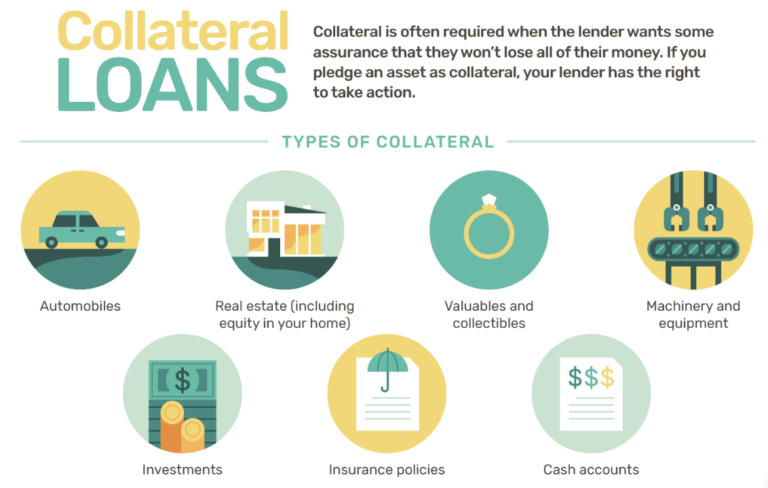
- You deposit money as collateral
- Your credit limit equals your deposit
Use it responsibly and pay the balance in full each month.
How Long Does It Take to Improve Your Credit Score?
Improving your credit score is not an overnight process, but some actions can yield quick results.
Timeline Expectations:
- Within 30 days:
Correcting errors or paying down balances can show improvements. - 1–3 months:
Consistent on-time payments begin to build positive history. - 3–6 months:
Noticeable improvements if you maintain good habits. - 6–12 months:
Significant score increases with disciplined financial behavior.
Common Mistakes to Avoid
Improving your credit score requires careful planning. Avoid these common pitfalls:
1. Closing Credit Cards Too Soon
This can increase your utilization ratio and shorten your credit history.
2. Ignoring Small Debts
Even small unpaid balances can hurt your score.
3. Applying for Multiple Loans Simultaneously
Too many inquiries can damage your score.
4. Only Paying the Minimum
This keeps your utilization high and increases interest costs.
5. Not Monitoring Your Credit Regularly
Staying informed helps you catch issues early.
Pro Tips for Faster Credit Score Improvement
- Make bi-weekly payments instead of monthly
- Use less than 10% of your credit limit
- Set financial goals and track progress
- Use budgeting tools to control spending
- Stay consistent—discipline beats shortcuts
Preparing to Apply for a Loan
Once your credit score improves, take these final steps before applying:
1. Check Your Score Again
Make sure your improvements are reflected.
2. Compare Lenders
Different lenders offer different rates and terms.
3. Gather Documentation
Prepare income proof, identification, and financial records.
4. Avoid Major Financial Changes
Don’t switch jobs or make large purchases right before applying.
Benefits of a High Credit Score
Improving your credit score doesn’t just help with loans—it impacts many areas of your financial life.
- Lower insurance premiums
- Better rental opportunities
- Easier approval for credit cards
- Reduced financial stress
- Increased financial freedom
Conclusion
Improving your credit score before applying for a loan is one of the most powerful steps you can take to secure better financial opportunities. While it requires time, discipline, and strategic planning, the rewards are well worth the effort.
By checking your credit report, paying bills on time, reducing debt, and maintaining good financial habits, you can significantly boost your credit score and position yourself as a strong, reliable borrower.
Start today—even small improvements can make a big difference when it’s time to apply for your next loan.
Final Thoughts
Think of your credit score as a financial reputation—it tells lenders how trustworthy you are with money. The better your score, the more doors will open for you.