In today’s fast-paced digital landscape, businesses are overwhelmed with massive amounts of data generated every second. From customer interactions and online transactions to IoT devices and social media activity, data is everywhere. However, raw data alone holds little value unless it can be transformed into actionable insights. This is where the powerful combination of Artificial Intelligence (AI) and Big Data Analytics comes into play.
Individually, both AI and Big Data Analytics are transformative technologies. But when they work together, they unlock unprecedented opportunities for organizations to gain deeper insights, automate processes, and make smarter decisions. In this comprehensive guide, we will explore how AI and Big Data Analytics complement each other, their key benefits, real-world applications, and why mastering this synergy is crucial for modern businesses.
Understanding AI and Big Data Analytics
What is Artificial Intelligence?
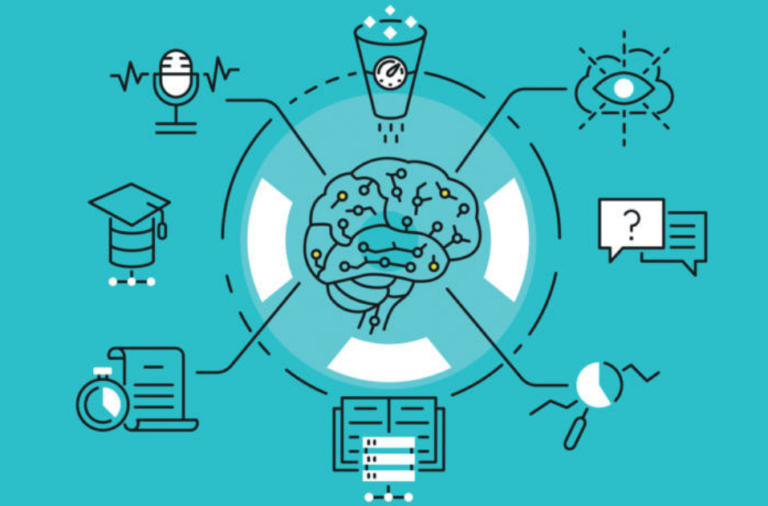
Artificial Intelligence refers to the simulation of human intelligence in machines that are programmed to think, learn, and make decisions. AI systems can analyze data, recognize patterns, and improve performance over time without human intervention.
Key subsets of AI include:
- Machine Learning (ML)
- Deep Learning
- Natural Language Processing (NLP)
- Computer Vision
What is Big Data Analytics?
Big Data Analytics is the process of analyzing large and complex datasets to uncover hidden patterns, correlations, and insights. These datasets are characterized by:
- Volume (massive size)
- Velocity (speed of data generation)
- Variety (different data types)
Big Data Analytics uses tools such as data mining, statistical analysis, and predictive modeling to extract value from data.
The Relationship Between AI and Big Data
AI and Big Data Analytics are deeply interconnected:
- Big Data provides the fuel (data)
- AI provides the engine (intelligence and automation)
Without data, AI models cannot learn effectively. Without AI, analyzing massive datasets becomes slow and inefficient. Together, they create a powerful ecosystem that enhances data-driven decision-making.
How AI Enhances Big Data Analytics
1. Automated Data Processing
AI can process massive datasets at high speed, eliminating the need for manual analysis. Machine learning algorithms can automatically clean, categorize, and organize data.
2. Advanced Pattern Recognition
AI excels at identifying patterns and correlations that are difficult for humans to detect. This leads to more accurate insights and predictions.
3. Predictive and Prescriptive Analytics
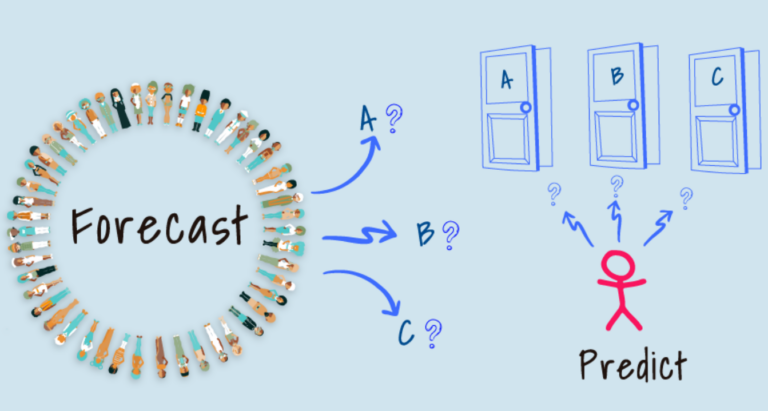
AI enables predictive analytics (forecasting future outcomes) and prescriptive analytics (recommending actions). This goes beyond traditional descriptive analytics.
4. Real-Time Insights
AI-powered systems can analyze data in real-time, allowing businesses to make instant decisions based on current information.
How Big Data Supports AI
1. Training Machine Learning Models
AI models require large datasets to learn effectively. Big Data provides the volume and diversity needed for accurate training.
2. Improving Model Accuracy
The more data available, the better AI models can perform. Big Data helps reduce errors and improve predictions.
3. Enabling Continuous Learning
With a constant stream of new data, AI systems can continuously learn and adapt to changing conditions.
Key Benefits of Combining AI and Big Data Analytics
1. Better Decision-Making
Organizations can make more informed decisions based on data-driven insights rather than intuition.
2. Increased Efficiency
Automation reduces manual work and speeds up data processing.
3. Enhanced Customer Experience
Businesses can personalize services and products based on customer behavior and preferences.
4. Competitive Advantage
Companies that leverage AI and Big Data gain a significant edge over competitors.
5. Risk Reduction
Predictive analytics helps identify potential risks and mitigate them before they occur.
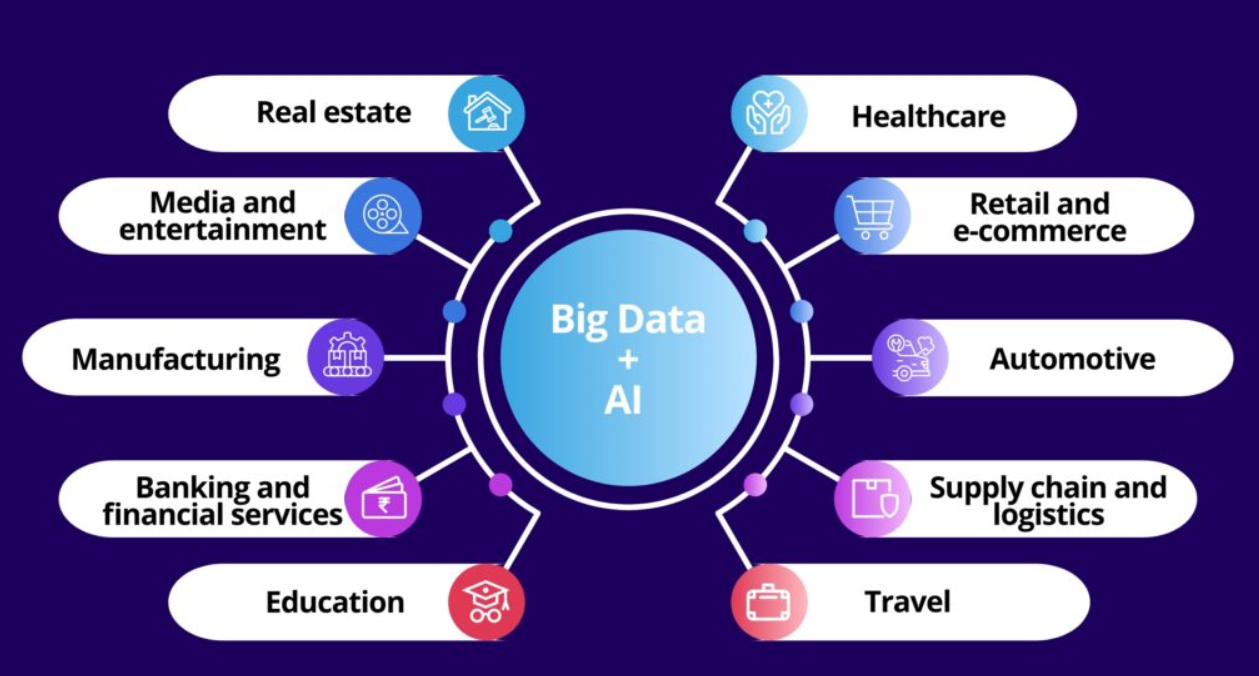
Real-World Use Cases Across Industries
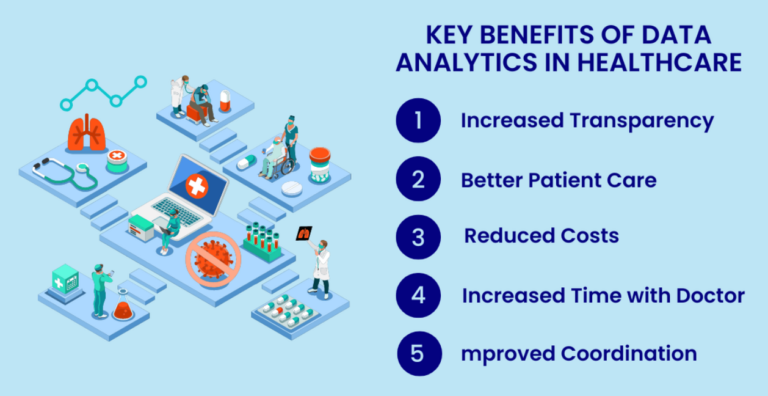
1. Healthcare
AI and Big Data are revolutionizing healthcare by enabling:
- Early disease detection
- Personalized treatment plans
- Predictive patient care
Hospitals analyze patient data to improve outcomes and reduce costs.
2. Finance
Financial institutions use AI and Big Data for:
- Fraud detection
- Credit scoring
- Algorithmic trading
Real-time analytics helps detect suspicious transactions instantly.
3. Retail and E-Commerce
Retailers leverage these technologies for:
- Personalized recommendations
- Demand forecasting
- Dynamic pricing
This leads to increased sales and improved customer satisfaction.
4. Manufacturing
Manufacturers use AI and Big Data for:
- Predictive maintenance
- Quality control
- Supply chain optimization
This reduces downtime and improves efficiency.
5. Marketing and Advertising
Marketers use AI and Big Data to:
- Analyze customer behavior
- Optimize campaigns
- Target the right audience
This improves ROI and campaign performance.
6. Transportation and Logistics
Companies use these technologies for:
- Route optimization
- Fleet management
- Demand prediction
This results in faster deliveries and reduced costs.
Technologies Powering AI and Big Data Integration
Several technologies enable the integration of AI and Big Data:
1. Cloud Computing
Cloud platforms provide scalable infrastructure for storing and processing large datasets.
2. Big Data Frameworks
Tools like Hadoop and Spark handle large-scale data processing.
3. Machine Learning Platforms
Frameworks such as TensorFlow and PyTorch enable AI model development.
4. Data Lakes
Data lakes store raw data in its native format, making it accessible for analysis.
Challenges in Combining AI and Big Data
Despite the benefits, there are challenges to consider:
1. Data Quality Issues
Poor-quality data can lead to inaccurate insights and flawed AI models.
2. Data Privacy and Security
Handling sensitive data requires strict security measures and compliance with regulations.
3. High Implementation Costs
Setting up AI and Big Data infrastructure can be expensive.
4. Skill Gap
There is a shortage of skilled professionals who can work with both AI and Big Data.
Best Practices for Successful Implementation
To effectively combine AI and Big Data Analytics, organizations should follow these best practices:
1. Define Clear Objectives
Start with specific goals and identify how AI and Big Data can help achieve them.
2. Invest in Data Quality
Ensure data is clean, accurate, and relevant.
3. Use Scalable Infrastructure
Adopt cloud-based solutions to handle growing data needs.
4. Build Skilled Teams
Hire or train professionals with expertise in AI and data analytics.
5. Monitor and Optimize
Continuously evaluate performance and improve models and processes.
Future Trends in AI and Big Data Analytics
The integration of AI and Big Data is evolving rapidly. Key trends include:
1. Edge AI
Processing data closer to the source for faster insights.
2. Automated Machine Learning (AutoML)
Simplifying the development of AI models.
3. Explainable AI
Making AI decisions more transparent and understandable.
4. Real-Time Analytics Expansion
More businesses adopting real-time data processing.
Why This Synergy Matters for the Future
The combination of AI and Big Data Analytics is not just a trend—it is the future of data-driven innovation. Organizations that embrace this synergy can:
- Adapt quickly to market changes
- Deliver better customer experiences
- Innovate faster
- Stay ahead of competitors
As data continues to grow, the importance of AI in analyzing and interpreting that data will only increase.
Conclusion
AI and Big Data Analytics are two of the most powerful technologies shaping the modern world. While Big Data provides the raw material, AI transforms it into valuable insights. Together, they create a dynamic system that enables smarter decisions, greater efficiency, and improved outcomes across industries.
For businesses and data professionals alike, understanding how these technologies work together is essential for success in today’s data-driven environment.
Final Thoughts
If you want to stay competitive in the digital age, investing in AI and Big Data Analytics is no longer optional—it’s a necessity. Start by building a strong data foundation, explore AI tools, and continuously adapt to new technologies.
The organizations that successfully harness the power of AI and Big Data will lead the future, turning data into their most valuable asset and insights into their greatest advantage.