In the rapidly evolving digital landscape, businesses are constantly seeking innovative ways to stay ahead of the competition. One of the most transformative forces in modern marketing is big data analytics. With the exponential growth of data generated from online activities, marketers now have access to unprecedented insights into consumer behavior, preferences, and trends. This article explores the role of big data analytics in digital marketing strategies, explaining how it empowers businesses to make smarter decisions, improve customer experiences, and drive sustainable growth.
Understanding Big Data Analytics
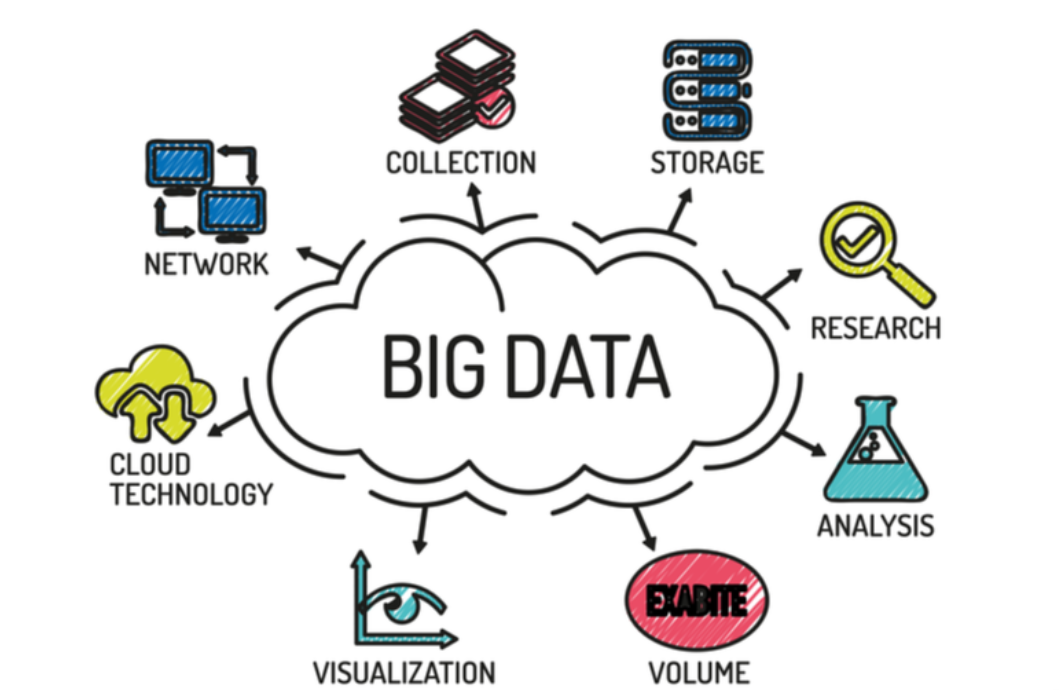
Big data refers to extremely large datasets that cannot be effectively processed using traditional data management tools. These datasets are characterized by the three Vs: volume, velocity, and variety. Big data analytics involves examining these complex datasets to uncover hidden patterns, correlations, and insights.
In digital marketing, big data analytics allows companies to collect and analyze information from multiple sources such as social media, websites, mobile apps, customer transactions, and more. By leveraging advanced technologies like machine learning and artificial intelligence, marketers can transform raw data into actionable insights.
Importance of Big Data in Digital Marketing
1. Enhanced Customer Understanding
One of the most significant advantages of big data analytics is the ability to understand customers on a deeper level. Marketers can analyze demographic information, browsing behavior, purchase history, and engagement patterns to build detailed customer profiles.
This level of insight enables businesses to create personalized marketing campaigns that resonate with their target audience. Personalization not only improves customer satisfaction but also increases conversion rates and brand loyalty.
2. Data-Driven Decision Making
Traditional marketing strategies often relied on intuition and limited data. In contrast, big data analytics provides evidence-based insights that help marketers make informed decisions.
By analyzing historical data and current trends, businesses can identify which strategies are most effective and allocate resources more efficiently. This reduces the risk of failure and maximizes return on investment.
3. Improved Customer Segmentation
Big data allows marketers to segment their audience more precisely. Instead of broad categories, businesses can create micro-segments based on specific behaviors and preferences.
This enables highly targeted campaigns that deliver the right message to the right audience at the right time. As a result, marketing efforts become more efficient and impactful.
4. Real-Time Marketing
With the help of big data analytics, marketers can respond to customer behavior in real time. For example, if a user abandons a shopping cart, businesses can immediately send personalized reminders or offers.
Real-time marketing increases engagement and improves the chances of conversion by delivering timely and relevant content.
Key Applications of Big Data Analytics in Digital Marketing
1. Personalization and Customer Experience
Personalization is at the heart of modern digital marketing. Big data analytics enables businesses to tailor content, recommendations, and offers based on individual user preferences.
For example, streaming platforms and e-commerce websites use data analytics to recommend products or content that align with user interests. This creates a more engaging and satisfying customer experience.
2. Predictive Analytics
Predictive analytics uses historical data to forecast future outcomes. In digital marketing, this can help businesses anticipate customer behavior, such as which products a customer is likely to purchase.
By leveraging predictive models, marketers can proactively design campaigns that meet customer needs and increase conversion rates.
3. Marketing Automation
Big data analytics plays a crucial role in marketing automation. Automated tools can analyze data and execute marketing tasks such as email campaigns, social media posts, and ad placements.
This not only saves time but also ensures that marketing efforts are consistent and optimized for performance.
4. Content Optimization
Content is a key component of digital marketing, and big data analytics helps optimize it for better results. Marketers can analyze which types of content perform best and adjust their strategies accordingly.
This includes optimizing headlines, keywords, formats, and publishing times to maximize reach and engagement.
5. Customer Journey Mapping
Understanding the customer journey is essential for effective marketing. Big data analytics allows businesses to track and analyze every touchpoint a customer interacts with.
This helps identify pain points and opportunities for improvement, enabling marketers to create seamless and engaging customer experiences.
Benefits of Using Big Data Analytics in Marketing Strategies
1. Increased ROI
By leveraging data-driven insights, businesses can optimize their marketing strategies to achieve better results. This leads to higher conversion rates and increased return on investment.
2. Better Targeting
Big data enables precise targeting, ensuring that marketing messages reach the most relevant audience. This reduces wasted resources and improves campaign effectiveness.
3. Competitive Advantage
Companies that effectively use big data analytics gain a significant edge over competitors. They can quickly adapt to market changes and respond to customer needs more effectively.
4. Enhanced Customer Retention
By understanding customer behavior and preferences, businesses can build stronger relationships and improve customer retention rates.
Challenges of Big Data Analytics in Digital Marketing
1. Data Privacy Concerns
With the increasing use of data, privacy has become a major concern. Businesses must ensure that they comply with data protection regulations and maintain customer trust.
2. Data Quality Issues
The effectiveness of big data analytics depends on the quality of the data. Inaccurate or incomplete data can lead to misleading insights and poor decision-making.
3. Complexity and Cost
Implementing big data analytics requires advanced tools, technologies, and skilled professionals. This can be costly and complex, especially for small businesses.
4. Integration Challenges
Combining data from multiple sources can be difficult. Businesses need robust systems to integrate and manage data effectively.
Future Trends in Big Data and Digital Marketing
1. Artificial Intelligence Integration
AI is becoming increasingly integrated with big data analytics, enabling more advanced insights and automation. This will further enhance marketing strategies and customer experiences.
2. Voice and Visual Search
As voice assistants and visual search technologies become more popular, marketers will need to adapt their strategies to capture data from these sources.
3. Hyper-Personalization
The future of digital marketing lies in hyper-personalization, where businesses deliver highly customized experiences based on real-time data.
4. Data Security Innovations
As data usage increases, new technologies will emerge to enhance data security and protect user privacy.
Best Practices for Leveraging Big Data Analytics
- Define clear objectives before collecting data.
- Invest in the right tools and technologies.
- Ensure data quality and accuracy.
- Prioritize data privacy and compliance.
- Continuously analyze and optimize strategies.
Conclusion
Big data analytics has revolutionized digital marketing strategies by providing deeper insights, enabling personalization, and improving decision-making. While there are challenges to overcome, the benefits far outweigh the drawbacks. Businesses that embrace big data analytics can create more effective marketing campaigns, enhance customer experiences, and achieve long-term success.
As technology continues to evolve, the role of big data in digital marketing will only become more significant. Companies that leverage data effectively will be better positioned to thrive in the competitive digital landscape.