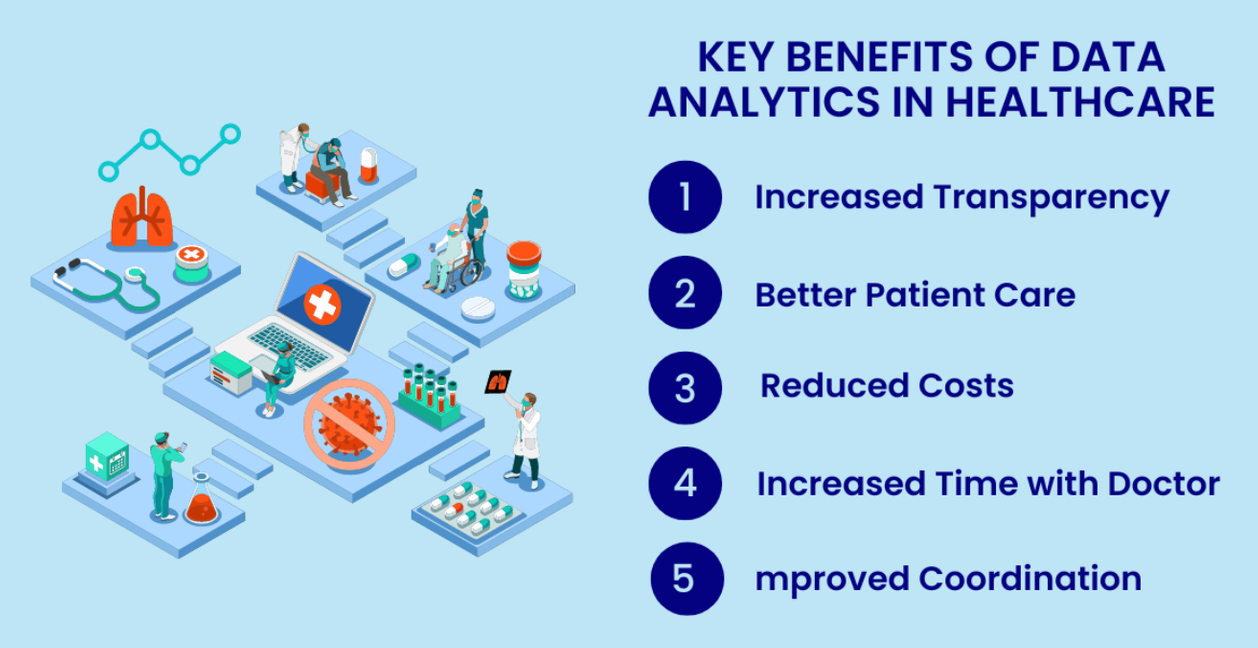
The healthcare industry is undergoing a massive transformation driven by technological advancements, and one of the most influential forces behind this change is big data analytics. With the increasing digitization of medical records, wearable devices, and healthcare systems, an enormous amount of data is generated every second. This data, when properly analyzed, holds the potential to revolutionize patient care, optimize clinical decisions, and significantly improve patient outcomes.
Big data analytics in healthcare refers to the process of collecting, processing, and analyzing large volumes of structured and unstructured health-related data. This includes electronic health records (EHRs), medical imaging, genomic data, insurance claims, and even data from mobile health applications. By leveraging advanced analytics tools, machine learning algorithms, and artificial intelligence (AI), healthcare providers can gain valuable insights that were previously impossible to obtain.
In this article, we will explore how big data analytics is transforming healthcare, the key benefits it offers, real-world applications, challenges, and future trends—all with a focus on improving patient outcomes.
Understanding Big Data in Healthcare
Big data in healthcare is characterized by the “5 Vs”:
- Volume – Massive amounts of data generated from various sources.
- Velocity – The speed at which data is created and processed.
- Variety – Different types of data, including text, images, and sensor data.
- Veracity – The accuracy and reliability of data.
- Value – The actionable insights derived from data.
Healthcare data comes from multiple sources such as:
- Electronic Health Records (EHRs)
- Laboratory results
- Medical imaging systems
- Wearable devices and IoT sensors
- Patient surveys and feedback
- Genomic sequencing
When combined and analyzed effectively, these data sources provide a comprehensive view of a patient’s health, enabling more personalized and effective treatment.
The Role of Big Data Analytics in Healthcare
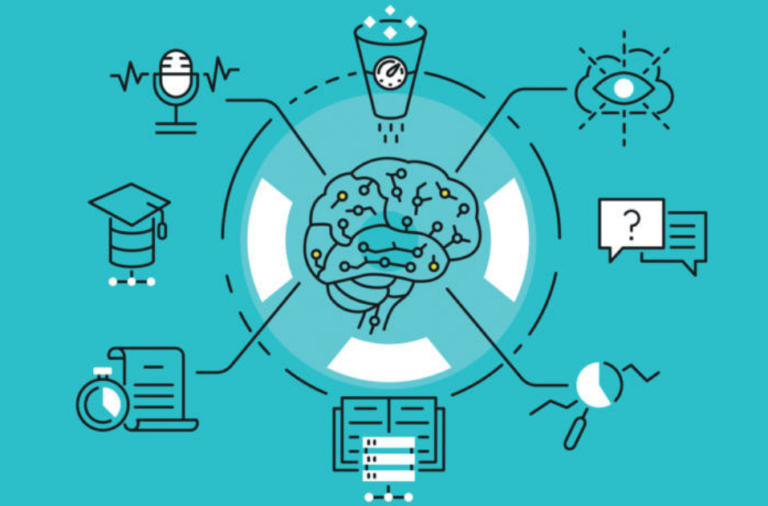
Big data analytics plays a crucial role in transforming raw healthcare data into meaningful insights. It involves several key processes:
1. Data Collection and Integration
Healthcare organizations gather data from various sources and integrate it into centralized systems. This ensures that all relevant patient information is accessible in one place.
2. Data Processing and Storage
Advanced technologies such as cloud computing and distributed databases allow healthcare providers to store and process vast amounts of data efficiently.
3. Data Analysis
Using statistical methods, machine learning, and AI, healthcare professionals can identify patterns, trends, and correlations within the data.
4. Data Visualization
Insights are presented through dashboards and visual tools, making it easier for clinicians and administrators to make informed decisions.
Benefits of Big Data Analytics in Healthcare
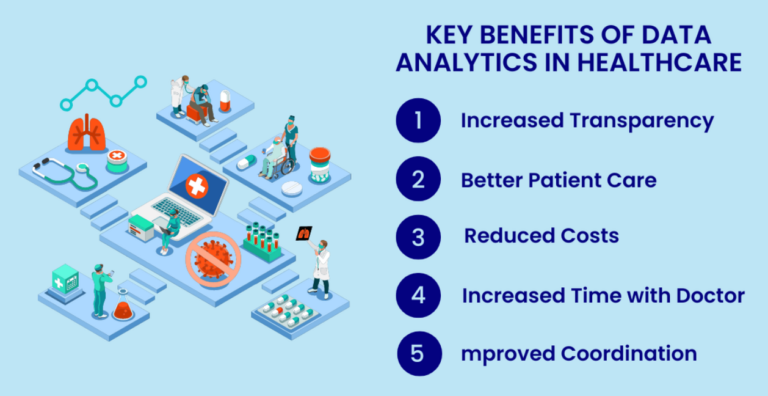
1. Improved Patient Outcomes
One of the most significant benefits of big data analytics is its ability to enhance patient outcomes. By analyzing historical and real-time data, healthcare providers can:
- Predict disease progression
- Identify high-risk patients
- Recommend personalized treatment plans
For example, predictive analytics can help detect early signs of chronic diseases such as diabetes or heart conditions, allowing for timely intervention.
2. Personalized Medicine
Big data enables a shift from a one-size-fits-all approach to personalized medicine. By analyzing genetic information, lifestyle factors, and medical history, doctors can tailor treatments to individual patients.
This leads to more effective therapies, fewer side effects, and better overall patient satisfaction.
3. Early Disease Detection
With the help of machine learning algorithms, big data analytics can identify patterns that indicate the early onset of diseases. Early detection is crucial for conditions like cancer, where timely diagnosis can significantly improve survival rates.
4. Enhanced Clinical Decision-Making
Doctors can make more informed decisions by accessing comprehensive patient data and evidence-based insights. Clinical decision support systems (CDSS) use big data to provide recommendations and alerts, reducing the risk of errors.
5. Reduced Healthcare Costs
By optimizing resource allocation, minimizing unnecessary tests, and preventing hospital readmissions, big data analytics helps reduce overall healthcare costs. This benefits both healthcare providers and patients.
6. Improved Operational Efficiency
Hospitals can use data analytics to streamline operations, manage staff schedules, and optimize supply chains. This ensures that resources are used efficiently and patient care is not compromised.
Real-World Applications of Big Data Analytics in Healthcare
1. Predictive Analytics for Patient Care
Predictive analytics uses historical data to forecast future health outcomes. For instance, hospitals can predict which patients are at risk of readmission and take preventive measures.
2. Remote Patient Monitoring
Wearable devices and mobile apps generate real-time data that can be analyzed to monitor patients remotely. This is especially beneficial for patients with chronic conditions.
3. Population Health Management
Big data analytics helps healthcare organizations analyze trends across large populations. This enables them to identify public health risks, track disease outbreaks, and implement preventive measures.
4. Drug Discovery and Development
Pharmaceutical companies use big data to accelerate drug discovery by analyzing clinical trial data, genetic information, and patient responses. This reduces the time and cost required to bring new drugs to market.
5. Fraud Detection and Prevention
Healthcare fraud is a significant issue worldwide. Big data analytics can detect unusual patterns in billing and claims, helping organizations identify and prevent fraudulent activities.
6. Medical Imaging Analysis
Advanced analytics tools can process medical images such as X-rays, MRIs, and CT scans to detect abnormalities. This enhances diagnostic accuracy and reduces the workload for radiologists.
Challenges of Implementing Big Data Analytics in Healthcare
Despite its numerous benefits, the adoption of big data analytics in healthcare comes with several challenges:
1. Data Privacy and Security
Healthcare data is highly sensitive, and protecting patient privacy is a top priority. Organizations must comply with strict regulations and implement robust security measures to prevent data breaches.
2. Data Integration Issues
Integrating data from different sources can be complex due to varying formats and standards. Ensuring interoperability between systems is a major challenge.
3. High Implementation Costs
Setting up big data infrastructure requires significant investment in technology, software, and skilled personnel.
4. Lack of Skilled Professionals
There is a shortage of professionals with expertise in data science, healthcare analytics, and AI. This can hinder the effective implementation of big data solutions.
5. Data Quality and Accuracy
Inaccurate or incomplete data can lead to incorrect insights and poor decision-making. Ensuring data quality is essential for reliable analytics.
Future Trends in Big Data Analytics in Healthcare
1. Integration of Artificial Intelligence
AI and machine learning will continue to play a vital role in analyzing complex healthcare data. These technologies will enable more accurate predictions and automated decision-making.
2. Expansion of Telemedicine
The rise of telemedicine will generate more data from remote consultations. Big data analytics will help improve the quality of virtual care.
3. Increased Use of Wearable Technology
Wearable devices will become more advanced, providing continuous health monitoring and generating valuable data for analysis.
4. Blockchain for Data Security
Blockchain technology has the potential to enhance data security and ensure the integrity of healthcare records.
5. Real-Time Analytics
Real-time data analysis will enable healthcare providers to make immediate decisions, improving patient care and response times.
How Big Data Analytics Improves Patient Outcomes
The ultimate goal of big data analytics in healthcare is to improve patient outcomes. Here’s how it achieves that:
- Timely Interventions: Early detection and predictive analytics allow for prompt treatment.
- Better Diagnosis: Advanced analytics improves diagnostic accuracy.
- Personalized Treatment: Tailored therapies lead to more effective care.
- Continuous Monitoring: Real-time data ensures ongoing patient supervision.
- Reduced Errors: Data-driven insights minimize human errors in clinical decisions.
By combining these factors, healthcare providers can deliver higher-quality care and achieve better health outcomes for patients.
Strategies for Successful Implementation
To fully leverage the potential of big data analytics, healthcare organizations should consider the following strategies:
1. Invest in Technology Infrastructure
Adopting cloud-based solutions and advanced analytics platforms is essential for handling large datasets.
2. Ensure Data Security and Compliance
Implement strong security protocols and comply with healthcare regulations to protect patient data.
3. Promote Data Interoperability
Standardizing data formats and ensuring system compatibility will facilitate seamless data integration.
4. Train Healthcare Professionals
Providing training in data analytics and digital tools will help healthcare staff adapt to new technologies.
5. Collaborate with Technology Partners
Partnering with tech companies and data experts can accelerate the adoption of big data solutions.
Conclusion
Big data analytics is transforming the healthcare industry by enabling data-driven decision-making, improving operational efficiency, and enhancing patient care. From early disease detection to personalized treatment plans, the impact of big data on patient outcomes is profound and far-reaching.
While challenges such as data privacy, integration, and cost remain, ongoing advancements in technology are addressing these issues and paving the way for wider adoption. As healthcare continues to evolve, big data analytics will play an increasingly critical role in shaping the future of medicine.