In today’s digital-first world, data is everywhere. Every click, purchase, interaction, and transaction generates valuable information. But raw data alone is not useful unless it is analyzed and transformed into meaningful insights. This is where big data analytics comes into play.
As we step into 2026, big data analytics has become a cornerstone of modern business strategies, helping organizations make smarter decisions, improve efficiency, and gain a competitive edge. Whether you’re a student, entrepreneur, or professional, understanding big data analytics is no longer optional—it’s essential.
This beginner-friendly guide will walk you through everything you need to know about big data analytics in 2026, from basic concepts to tools, applications, and future trends.
What Is Big Data Analytics?
Big data analytics refers to the process of examining large and complex datasets—commonly known as “big data”—to uncover hidden patterns, correlations, trends, and insights.
Unlike traditional data analysis, big data analytics deals with massive volumes of structured and unstructured data that cannot be processed using standard tools.
The 5 Vs of Big Data
To understand big data, you need to know its five key characteristics:
- Volume – Massive amounts of data generated every second
- Velocity – The speed at which data is created and processed
- Variety – Different types of data (text, images, videos, etc.)
- Veracity – Data quality and reliability
- Value – The usefulness of data in decision-making
Why Big Data Analytics Matters in 2026
Big data analytics is more important than ever due to the rapid growth of digital technologies such as IoT, AI, and cloud computing.
Key Benefits
1. Better Decision-Making
Organizations can make data-driven decisions instead of relying on intuition.
2. Improved Customer Experience
Businesses can analyze customer behavior to deliver personalized experiences.
3. Cost Efficiency
Identifying inefficiencies helps reduce operational costs.
4. Competitive Advantage
Companies using data effectively outperform competitors.
5. Risk Management
Analytics helps detect fraud, predict risks, and enhance security.
Types of Big Data Analytics
Understanding the different types of analytics is crucial for beginners.
1. Descriptive Analytics
Answers the question: What happened?
Example: Monthly sales reports
2. Diagnostic Analytics
Answers: Why did it happen?
Example: Analyzing why sales dropped
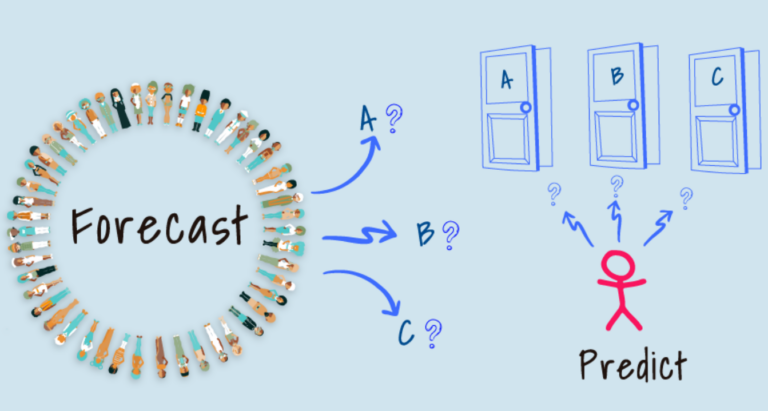
3. Predictive Analytics
Answers: What will happen?
Example: Forecasting future sales trends
4. Prescriptive Analytics
Answers: What should we do?
Example: Recommending strategies based on predictions
How Big Data Analytics Works
Big data analytics follows a structured process:
Step 1: Data Collection
Data is gathered from multiple sources like websites, apps, sensors, and databases.
Step 2: Data Storage
Data is stored in data warehouses or cloud-based systems.
Step 3: Data Processing
Tools process and organize raw data into usable formats.
Step 4: Data Analysis
Analysts apply algorithms and models to extract insights.
Step 5: Data Visualization
Insights are presented using charts, dashboards, and reports.
Popular Big Data Analytics Tools in 2026
Here are some widely used tools that beginners should explore:
1. Apache Hadoop
An open-source framework for storing and processing large datasets.
2. Apache Spark
Known for its speed and real-time data processing capabilities.
3. Tableau
A powerful data visualization tool for creating interactive dashboards.
4. Power BI
A Microsoft tool for business analytics and reporting.
5. Google BigQuery
A cloud-based data warehouse for fast SQL queries.
6. Python
A popular programming language for data analysis and machine learning.
Real-World Applications of Big Data Analytics
Big data analytics is used across various industries:
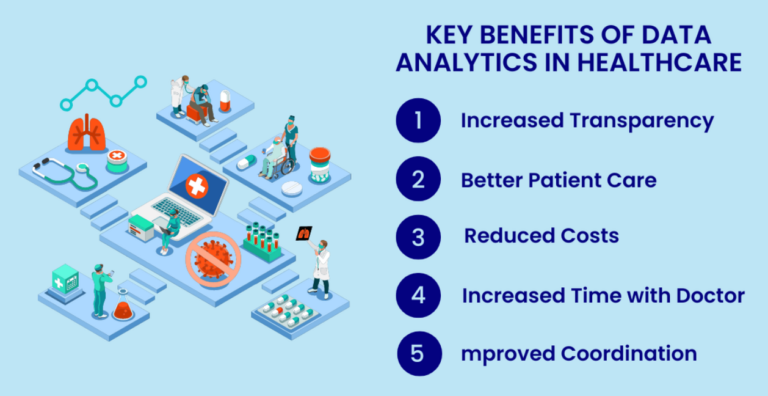
1. Healthcare
- Predicting diseases
- Improving patient care
- Reducing hospital costs
2. E-commerce
- Personalized recommendations
- Customer behavior analysis
- Inventory management
3. Finance
- Fraud detection
- Risk analysis
- Algorithmic trading
4. Marketing
- Targeted advertising
- Campaign optimization
- Customer segmentation
5. Transportation
- Traffic prediction
- Route optimization
- Autonomous vehicles
Skills You Need to Learn Big Data Analytics
If you’re starting from scratch, focus on these essential skills:
1. Basic Statistics
Understanding averages, probability, and distributions
2. Programming
Languages like Python, R, or SQL
3. Data Visualization
Tools like Tableau or Power BI
4. Database Management
Knowledge of SQL and NoSQL databases
5. Machine Learning Basics
Understanding algorithms and predictive models
Challenges in Big Data Analytics
Despite its benefits, big data analytics comes with challenges:
1. Data Privacy
Handling sensitive data responsibly is critical.
2. Data Quality
Poor-quality data leads to inaccurate insights.
3. High Costs
Infrastructure and tools can be expensive.
4. Skill Gap
There is a shortage of skilled data professionals.
5. Data Integration
Combining data from multiple sources can be complex.
Big Data Analytics and Artificial Intelligence
In 2026, big data analytics and AI are closely interconnected.
AI enhances big data analytics by:
- Automating data processing
- Improving predictive accuracy
- Detecting patterns faster
Machine learning models can analyze massive datasets in seconds, making analytics more powerful than ever.
The Role of Cloud Computing
Cloud computing has revolutionized big data analytics by providing scalable and cost-effective solutions.
Benefits of Cloud-Based Analytics
- No need for expensive hardware
- Easy scalability
- Faster processing
- Remote accessibility
Platforms like AWS, Google Cloud, and Azure dominate this space.
Future Trends in Big Data Analytics (2026 and Beyond)
Here are the key trends shaping the future:
1. Real-Time Analytics
Businesses will rely more on instant data insights.
2. Edge Computing
Data processing closer to the source for faster results.
3. Data Democratization
More non-technical users will access analytics tools.
4. AI-Driven Analytics
Automation will reduce manual work.
5. Enhanced Data Security
Stronger regulations and security measures will emerge.
How to Get Started as a Beginner
If you’re new to big data analytics, follow this roadmap:
Step 1: Learn the Basics
Start with data concepts, statistics, and Excel.
Step 2: Learn a Programming Language
Python is highly recommended.
Step 3: Practice with Real Data
Use datasets from platforms like Kaggle.
Step 4: Learn Tools
Explore tools like Tableau and Power BI.
Step 5: Build Projects
Create small projects to showcase your skills.
Step 6: Take Online Courses
Enroll in structured learning programs.
Career Opportunities in Big Data Analytics
Big data analytics offers high-paying career paths:
- Data Analyst
- Data Scientist
- Big Data Engineer
- Business Intelligence Analyst
- Machine Learning Engineer
Salary Insights (2026)
Professionals in this field can earn competitive salaries due to high demand and limited talent supply.
Conclusion
Big data analytics is transforming the way businesses and industries operate in 2026. From improving decision-making to driving innovation, its impact is undeniable.
For beginners, the journey may seem overwhelming at first, but with the right approach and consistent learning, mastering big data analytics is absolutely achievable.
Start small, stay curious, and keep building your skills. In a world driven by data, those who can analyze and interpret it will always stay ahead.