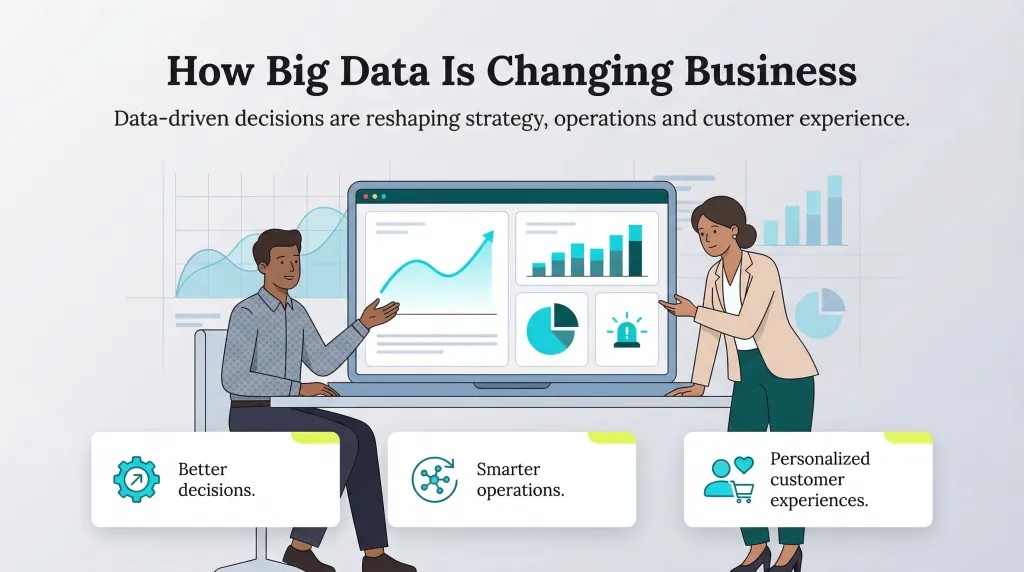
In today’s digital economy, data is often described as the “new oil.” Every click, purchase, interaction, and transaction generates valuable information that businesses can leverage to gain insights, improve decision-making, and stay competitive. This is where big data analytics comes into play. By processing and analyzing massive volumes of structured and unstructured data, organizations can uncover patterns, trends, and correlations that were previously impossible to detect.
This article explores how big data analytics is transforming modern businesses, the key technologies involved, real-world applications, benefits, challenges, and what the future holds.
What Is Big Data Analytics?
Big data analytics refers to the process of examining large and complex datasets to uncover hidden patterns, correlations, market trends, and customer preferences. It goes beyond traditional data analysis by handling massive volumes of data that come from various sources such as:
- Social media platforms
- IoT devices
- Customer transactions
- Website interactions
- Mobile applications
- Sensors and machines
Big data is commonly defined by the “5 Vs”:
- Volume – Massive amounts of data generated every second
- Velocity – Speed at which data is created and processed
- Variety – Different types of data (text, images, video, etc.)
- Veracity – Reliability and accuracy of data
- Value – Insights that businesses can extract
Why Big Data Matters in Modern Business
Modern businesses operate in an environment where competition is intense and customer expectations are constantly evolving. Big data analytics enables organizations to:
- Make data-driven decisions instead of relying on intuition
- Understand customer behavior in real time
- Optimize operations and reduce costs
- Identify new market opportunities
- Improve product and service offerings
Companies that leverage data effectively gain a significant competitive advantage over those that do not.
Key Technologies Behind Big Data Analytics
Big data analytics is powered by a range of advanced technologies that allow organizations to collect, store, process, and analyze large datasets efficiently.
1. Cloud Computing
Cloud platforms enable businesses to store and process massive amounts of data without investing heavily in physical infrastructure. They offer scalability, flexibility, and cost-efficiency.
2. Machine Learning and AI
Machine learning algorithms can analyze data patterns and make predictions. Artificial intelligence enhances decision-making by automating complex analytical processes.
3. Data Warehousing
Modern data warehouses store structured data in a centralized system, making it easier to query and analyze.
4. Hadoop and Spark
These frameworks are designed for distributed data processing, allowing businesses to handle large datasets quickly and efficiently.
5. Data Visualization Tools
Tools like dashboards and reporting software help transform raw data into meaningful insights through graphs, charts, and visual representations.
How Big Data Analytics Is Transforming Businesses
1. Enhancing Customer Experience
One of the most significant impacts of big data analytics is in improving customer experience. Businesses can analyze customer behavior, preferences, and feedback to deliver personalized services.
For example:
- E-commerce platforms recommend products based on browsing history
- Streaming services suggest content tailored to user preferences
- Retailers offer personalized promotions and discounts
Personalization leads to higher customer satisfaction and increased loyalty.
2. Improving Decision-Making
Big data enables organizations to make informed decisions backed by evidence rather than assumptions.
Executives can:
- Analyze real-time data dashboards
- Monitor key performance indicators (KPIs)
- Forecast future trends
This reduces risks and improves strategic planning.
3. Optimizing Operations
Businesses can use big data analytics to streamline operations and improve efficiency.
Examples include:
- Supply chain optimization
- Inventory management
- Predictive maintenance for machinery
- Workforce management
By identifying inefficiencies, companies can reduce costs and improve productivity.
4. Driving Innovation
Big data provides insights that inspire innovation. Companies can identify gaps in the market and develop new products or services.
For instance:
- Tech companies use user data to improve software features
- Healthcare organizations analyze patient data to develop better treatments
- Automotive companies use sensor data to enhance vehicle performance
Innovation driven by data helps businesses stay ahead of competitors.
5. Strengthening Marketing Strategies
Marketing has been revolutionized by big data analytics. Businesses can now target the right audience with the right message at the right time.
Benefits include:
- Better audience segmentation
- Improved ad targeting
- Real-time campaign optimization
- Higher return on investment (ROI)
Marketers can track customer journeys and adjust strategies based on performance data.
6. Enhancing Risk Management
Big data analytics helps businesses identify potential risks and mitigate them proactively.
Applications include:
- Fraud detection in financial transactions
- Cybersecurity threat analysis
- Credit risk assessment
- Compliance monitoring
By analyzing patterns and anomalies, companies can prevent losses and improve security.
7. Enabling Predictive Analytics
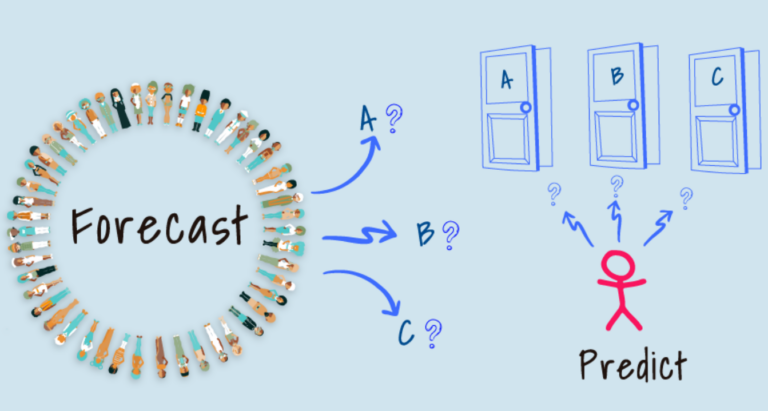
Predictive analytics uses historical data to forecast future outcomes. This allows businesses to anticipate trends and make proactive decisions.
Examples:
- Retailers predicting demand for products
- Airlines forecasting ticket prices
- Banks predicting customer churn
Predictive analytics improves planning and resource allocation.
Real-World Applications of Big Data Analytics
1. Retail Industry
Retailers use big data to:
- Analyze customer buying behavior
- Optimize pricing strategies
- Manage inventory efficiently
This leads to increased sales and improved customer satisfaction.
2. Healthcare Sector
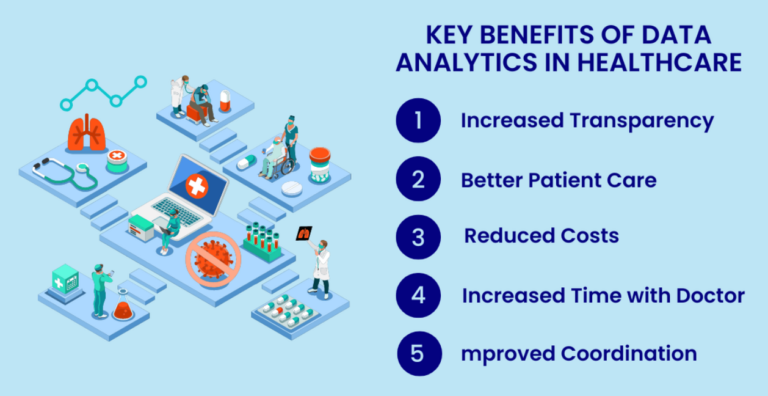
Big data analytics is transforming healthcare by:
- Improving patient outcomes
- Enabling personalized medicine
- Predicting disease outbreaks
Hospitals can analyze patient data to provide better treatment and reduce costs.
3. Financial Services
Banks and financial institutions rely on big data for:
- Fraud detection
- Risk management
- Customer segmentation
This enhances security and improves customer experience.
4. Manufacturing
Manufacturers use big data to:
- Monitor equipment performance
- Predict maintenance needs
- Optimize production processes
This reduces downtime and increases efficiency.
5. Transportation and Logistics
Big data helps optimize:
- Route planning
- Fuel consumption
- Delivery schedules
Companies can reduce costs and improve service quality.
Benefits of Big Data Analytics
1. Competitive Advantage
Companies that leverage data effectively can outperform competitors by making smarter decisions.
2. Cost Reduction
Optimized operations and resource allocation lead to significant cost savings.
3. Faster Decision-Making
Real-time analytics enables quick responses to market changes.
4. Improved Customer Insights
Understanding customer behavior helps businesses deliver better products and services.
5. Increased Revenue
Data-driven strategies often lead to higher sales and profitability.
Challenges of Big Data Analytics
Despite its benefits, big data analytics comes with several challenges:
1. Data Privacy and Security
Handling large amounts of sensitive data raises concerns about privacy and cybersecurity.
2. Data Quality
Inaccurate or incomplete data can lead to misleading insights.
3. High Implementation Costs
Setting up big data infrastructure can be expensive for small businesses.
4. Skill Shortage
There is a growing demand for skilled data scientists and analysts.
5. Data Integration
Combining data from multiple sources can be complex.
Best Practices for Implementing Big Data Analytics
To successfully leverage big data, businesses should follow these best practices:
1. Define Clear Objectives
Identify what you want to achieve with data analytics.
2. Invest in the Right Tools
Choose technologies that align with your business needs.
3. Ensure Data Quality
Implement processes to maintain accurate and reliable data.
4. Focus on Security
Protect data from breaches and unauthorized access.
5. Build a Skilled Team
Hire or train professionals with expertise in data analytics.
The Future of Big Data Analytics
The future of big data analytics looks promising, with several emerging trends shaping the landscape:
1. Artificial Intelligence Integration
AI will continue to enhance data analysis capabilities, making insights more accurate and actionable.
2. Real-Time Analytics
Businesses will increasingly rely on real-time data for instant decision-making.
3. Edge Computing
Processing data closer to the source will reduce latency and improve efficiency.
4. Data Democratization
More employees will have access to data, enabling better collaboration and decision-making.
5. Increased Automation
Automation will simplify data analysis and reduce the need for manual intervention.
Conclusion
Big data analytics is no longer a luxury—it is a necessity for modern businesses. By harnessing the power of data, organizations can gain valuable insights, improve decision-making, enhance customer experiences, and drive innovation.
While challenges such as data security and implementation costs exist, the benefits far outweigh the risks. Companies that invest in big data analytics today are better positioned to thrive in the competitive landscape of tomorrow.
As technology continues to evolve, the role of big data will only become more significant. Businesses that embrace this transformation will unlock new opportunities and achieve sustainable growth in the digital age.