In today’s digital economy, data is often described as the “new oil.” However, raw data alone has little value unless it is processed, analyzed, and transformed into actionable insights. This is where Big Data Analytics plays a crucial role—especially in powering Artificial Intelligence (AI) and Machine Learning (ML) systems. Together, these technologies are reshaping industries, driving innovation, and enabling smarter decision-making across the globe.
This article explores how Big Data Analytics fuels AI and Machine Learning systems, why the relationship between them is essential, and how businesses can leverage this powerful combination for growth and competitive advantage.
Understanding Big Data Analytics
Big Data Analytics refers to the process of examining large and complex datasets to uncover hidden patterns, correlations, trends, and insights. These datasets are often too massive and diverse for traditional data-processing tools to handle effectively.
Big Data is typically characterized by the “5 Vs”:
- Volume – Massive amounts of data generated every second
- Velocity – Speed at which data is created and processed
- Variety – Different types of data (structured, semi-structured, unstructured)
- Veracity – Data accuracy and reliability
- Value – The actionable insights derived from data
Advanced analytics techniques such as data mining, predictive analytics, and statistical modeling are used to extract value from this data.
What Are AI and Machine Learning Systems?
Artificial Intelligence (AI) refers to the simulation of human intelligence in machines that can think, learn, and make decisions. Machine Learning (ML), a subset of AI, enables systems to learn from data and improve their performance over time without explicit programming.
Machine Learning models rely heavily on data to:
- Identify patterns
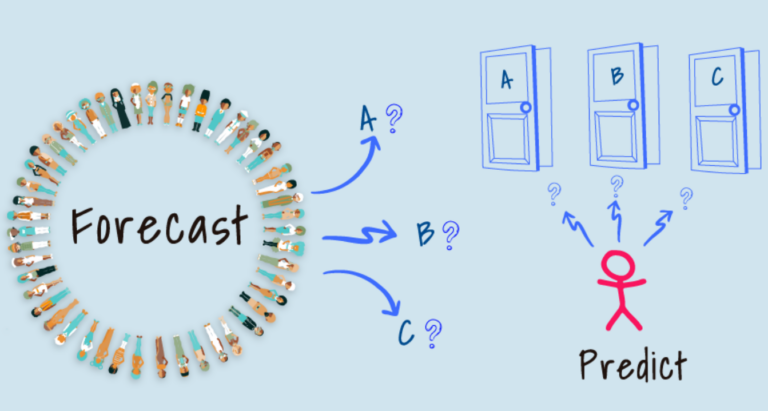
- Make predictions
- Automate decisions
- Continuously improve accuracy
Without sufficient and high-quality data, AI and ML systems cannot function effectively. This is where Big Data Analytics becomes indispensable.
The Relationship Between Big Data, AI, and Machine Learning
Big Data Analytics and AI/ML are deeply interconnected. Think of Big Data as the fuel and AI/ML as the engine. Without fuel, the engine cannot run. Similarly, without data, AI models cannot learn or evolve.
Key Connections:
- Data Feeds Machine Learning Models
Machine learning algorithms require vast amounts of data to train effectively. The more data available, the better the model can learn patterns and make accurate predictions. - Analytics Improves Data Quality
Big Data Analytics helps clean, organize, and prepare raw data, making it suitable for AI systems. - AI Enhances Data Analysis
AI techniques can automate and optimize data analysis processes, creating a feedback loop that improves efficiency.
How Big Data Analytics Powers AI and Machine Learning
1. Data Collection at Scale
AI systems require enormous datasets to function accurately. Big Data technologies enable organizations to collect data from multiple sources, including:
- Social media platforms
- IoT devices
- Transactional systems
- Sensors and logs
- Mobile applications
This large-scale data collection ensures that AI models have diverse and comprehensive datasets for training.
2. Data Processing and Storage
Handling massive datasets requires robust infrastructure. Big Data frameworks like distributed computing systems allow organizations to process and store data efficiently.
Key technologies include:
- Distributed storage systems
- Cloud computing platforms
- Data lakes and warehouses
These systems ensure that data is accessible and ready for machine learning algorithms.
3. Data Cleaning and Preparation
Raw data is often messy, incomplete, or inconsistent. Big Data Analytics tools help clean and preprocess data by:
- Removing duplicates
- Filling missing values
- Standardizing formats
- Eliminating noise
Clean data is critical for building accurate AI models. Poor-quality data leads to unreliable predictions.
4. Feature Engineering
Feature engineering involves selecting and transforming variables that improve the performance of machine learning models.
Big Data Analytics helps identify:
- Relevant features
- Hidden patterns
- Relationships between variables
This step is essential for improving model accuracy and efficiency.
5. Training Machine Learning Models
Once data is prepared, it is used to train machine learning models. Big Data enables:
- Faster training using parallel processing
- Training on diverse datasets
- Improved model generalization
Large datasets help reduce overfitting and improve the robustness of models.
6. Real-Time Analytics and Decision Making
Modern AI systems often require real-time data processing. Big Data Analytics supports:
- Streaming data processing
- Real-time predictions
- Instant decision-making
For example, recommendation systems and fraud detection tools rely on real-time analytics to function effectively.
7. Continuous Learning and Improvement
AI models improve over time by learning from new data. Big Data Analytics enables:
- Continuous data ingestion
- Model retraining
- Performance monitoring
This ensures that AI systems remain accurate and relevant in changing environments.
Real-World Applications
1. Healthcare
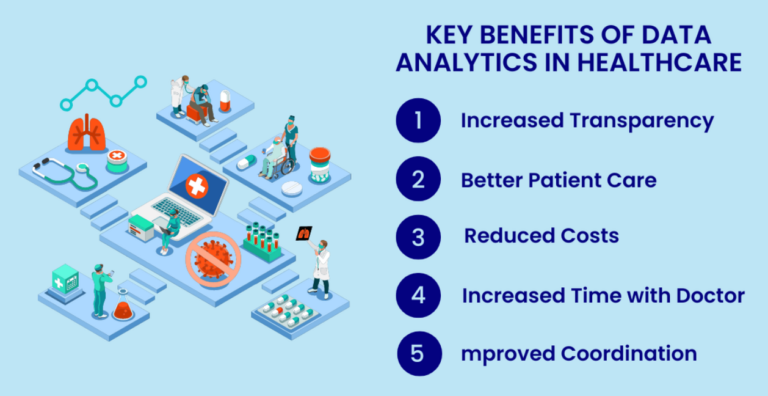
Big Data Analytics and AI are transforming healthcare by:
- Predicting diseases
- Personalizing treatment plans
- Analyzing medical images
- Improving patient outcomes
Machine learning models trained on large medical datasets can detect patterns that humans might miss.
2. Finance
In the financial sector, Big Data-powered AI systems are used for:
- Fraud detection
- Risk assessment
- Algorithmic trading
- Customer behavior analysis
These systems analyze vast amounts of transactional data in real time.
3. E-Commerce
E-commerce platforms use Big Data Analytics and AI to:
- Recommend products
- Optimize pricing strategies
- Analyze customer preferences
- Improve user experience
Personalized recommendations are powered by machine learning models trained on user behavior data.
4. Transportation and Logistics
AI and Big Data are improving transportation systems by:
- Optimizing routes
- Predicting demand
- Enhancing fleet management
- Reducing operational costs
Real-time data analytics enables efficient decision-making in logistics.
5. Smart Cities
Smart cities leverage Big Data and AI for:
- Traffic management
- Energy optimization
- Public safety
- Environmental monitoring
Sensors generate massive datasets that AI systems analyze to improve urban living.
Key Technologies Behind Big Data and AI Integration
1. Cloud Computing
Cloud platforms provide scalable infrastructure for storing and processing large datasets. They enable:
- On-demand resources
- Cost efficiency
- Global accessibility
2. Distributed Computing
Technologies like distributed processing frameworks allow data to be processed across multiple machines simultaneously.
3. Data Lakes
Data lakes store raw data in its native format, making it easier for AI systems to access and analyze diverse datasets.
4. NoSQL Databases
NoSQL databases handle unstructured and semi-structured data efficiently, which is crucial for Big Data applications.
5. AI Frameworks
Frameworks such as TensorFlow and PyTorch enable developers to build and train machine learning models using large datasets.
Challenges in Combining Big Data with AI
Despite its advantages, integrating Big Data Analytics with AI presents several challenges:
1. Data Privacy and Security
Handling large datasets raises concerns about:
- Data breaches
- Unauthorized access
- Compliance with regulations
Organizations must implement robust security measures.
2. Data Quality Issues
Poor-quality data can lead to inaccurate AI models. Ensuring data accuracy and consistency is a major challenge.
3. Infrastructure Costs
Building and maintaining Big Data infrastructure can be expensive, especially for small businesses.
4. Skill Gap
There is a shortage of professionals skilled in:
- Data science
- Machine learning
- Big Data technologies
Organizations must invest in training and talent acquisition.
5. Complexity of Integration
Integrating Big Data systems with AI tools requires careful planning and technical expertise.
Best Practices for Leveraging Big Data in AI Systems
To maximize the benefits of Big Data Analytics in AI and ML, organizations should follow these best practices:
1. Focus on Data Quality
Ensure that data is clean, accurate, and relevant before using it for machine learning.
2. Invest in Scalable Infrastructure
Use cloud-based solutions and distributed systems to handle growing data volumes.
3. Implement Strong Data Governance
Establish policies for data management, security, and compliance.
4. Use Advanced Analytics Tools
Leverage modern analytics platforms to extract insights from large datasets efficiently.
5. Continuously Monitor and Improve Models
Regularly update machine learning models with new data to maintain accuracy.
Future Trends
The integration of Big Data Analytics and AI is expected to evolve rapidly in the coming years. Key trends include:
1. Edge Computing
Processing data closer to its source will enable faster AI decision-making.
2. Automated Machine Learning (AutoML)
AutoML tools will simplify the process of building and deploying machine learning models.
3. Explainable AI (XAI)
Organizations will focus on making AI decisions more transparent and understandable.
4. Data Fabric Architecture
A unified data management approach will improve data accessibility and integration.
5. AI-Powered Data Analytics
AI will increasingly automate data analysis processes, making Big Data more accessible.
Conclusion
Big Data Analytics is the backbone of modern AI and Machine Learning systems. It provides the massive datasets, processing capabilities, and analytical tools needed to train, optimize, and deploy intelligent models. Without Big Data, AI would lack the depth and accuracy required to deliver meaningful insights.
As organizations continue to generate and collect vast amounts of data, the synergy between Big Data Analytics and AI will become even more critical. Businesses that successfully harness this combination will gain a significant competitive advantage, driving innovation, efficiency, and growth.