In today’s fast-paced digital world, online loans have become one of the most convenient ways to access quick financing. Whether you need emergency cash, funds for a business, or help covering unexpected expenses, online lenders offer speed and accessibility that traditional banks often cannot match. However, this convenience comes at a cost—many borrowers end up paying significantly higher fees than expected.
Understanding how to avoid high fees when applying for loans online is essential if you want to protect your finances and make smart borrowing decisions. This comprehensive guide will walk you through everything you need to know, from identifying hidden fees to choosing the right lender and negotiating better terms.
Why Online Loan Fees Can Be So High
Online lending platforms operate differently from traditional financial institutions. They often provide quick approvals, minimal documentation, and fast disbursement. While these benefits are attractive, they also increase risk for lenders, which is often passed on to borrowers in the form of higher fees.
Some of the most common reasons for high fees include:
- Lack of strict regulation in certain regions
- Higher default risk among borrowers
- Convenience premium for fast processing
- Limited credit checks for some loan types
Because of these factors, borrowers must be extra cautious when choosing an online loan provider.
Common Types of Fees in Online Loans
Before you can avoid high fees, you need to understand what kinds of charges you might encounter.
1. Origination Fees
Origination fees are charged for processing your loan application. These fees can range from 1% to 8% of the loan amount, and they are often deducted from the total loan before you receive the funds.
2. Late Payment Fees
If you miss a payment deadline, lenders may charge a late fee. These fees can add up quickly and may also negatively impact your credit score.
3. Prepayment Penalties
Some lenders charge a fee if you pay off your loan early. While this might seem counterintuitive, it compensates the lender for lost interest.
4. Administrative Fees
These are miscellaneous fees for account maintenance, documentation, or servicing your loan.
5. High Interest Rates
Although not technically a fee, high interest rates significantly increase the total cost of borrowing and should be considered carefully.
How to Identify Hidden Fees
Hidden fees are one of the biggest dangers when applying for loans online. Many lenders advertise low interest rates but bury additional charges in the fine print.
Here’s how to spot them:
- Read the full loan agreement carefully
- Check the Annual Percentage Rate (APR)
- Look for vague terms like “processing fee” or “service charge”
- Ask the lender directly for a full fee breakdown
Transparency is a key indicator of a trustworthy lender.
Tips to Avoid High Fees When Applying for Loans Online
1. Compare Multiple Lenders
Never settle for the first loan offer you receive. Compare at least three to five lenders to understand the range of fees and interest rates available.
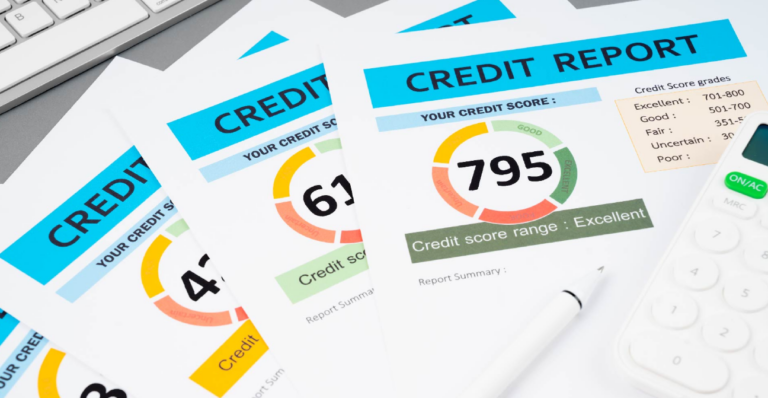
2. Check Your Credit Score First
A higher credit score can help you qualify for lower fees and better interest rates. Before applying, review your credit report and fix any errors.
3. Choose Reputable Lenders
Research the lender’s reputation by reading reviews, checking ratings, and verifying their licensing. Avoid lenders with a history of hidden fees or poor customer service.
4. Understand the APR
The APR includes both interest and fees, making it a more accurate measure of the total loan cost. Always compare loans based on APR rather than just interest rates.
5. Avoid Payday Loans
Payday loans are notorious for extremely high fees and interest rates. These should only be considered as a last resort.
6. Read the Fine Print
Carefully review all terms and conditions before signing. Pay special attention to clauses related to fees and penalties.
7. Borrow Only What You Need
Taking out a larger loan than necessary increases the amount of interest and fees you’ll pay over time.
8. Opt for Shorter Loan Terms
While shorter terms may have higher monthly payments, they usually result in lower total interest and fees.
9. Set Up Automatic Payments
Avoid late fees by setting up automatic payments or reminders to ensure you never miss a due date.
10. Negotiate When Possible
Some lenders are willing to reduce fees or offer better terms, especially if you have a strong credit profile.
Red Flags to Watch Out For
When applying for loans online, be aware of warning signs that indicate excessive fees or potential scams:
- No clear fee structure
- Pressure to sign immediately
- Upfront fees before approval
- Lack of contact information
- Poor or nonexistent customer reviews
If something feels off, trust your instincts and look for another lender.
Benefits of Avoiding High Loan Fees
Avoiding excessive fees doesn’t just save money—it also improves your overall financial health.
- Lower total repayment amount
- Reduced financial stress
- Faster debt repayment
- Better credit score over time
Smart borrowing habits can have long-term positive effects on your financial future.
Alternative Options to Consider
If online loans seem too expensive, consider these alternatives:
- Credit unions
- Personal loans from traditional banks
- Peer-to-peer lending platforms
- Borrowing from family or friends
- Employer salary advances
These options often come with lower fees and more flexible terms.
Final Thoughts
Applying for loans online can be a convenient and effective way to access funds quickly, but it’s important to approach the process with caution. High fees can quickly turn a manageable loan into a financial burden if you’re not careful.
By understanding the different types of fees, comparing lenders, reading the fine print, and making informed decisions, you can significantly reduce the cost of borrowing. Remember, the key to avoiding high fees is knowledge, preparation, and a willingness to explore multiple options.
Take your time, do your research, and choose wisely—your financial future depends on it.
Frequently Asked Questions (FAQ)
What is the safest way to apply for an online loan?
The safest way is to use reputable, licensed lenders, read all terms carefully, and avoid sharing sensitive information on unsecured websites.
Can I negotiate loan fees online?
Yes, some lenders are open to negotiation, especially if you have a strong credit score and stable income.
How do I know if a loan has hidden fees?
Check the APR, read the full agreement, and ask the lender for a detailed breakdown of all charges.
Are online loans always more expensive?
Not necessarily. Some online lenders offer competitive rates, but it’s essential to compare options and read the fine print.
What should I do if I’m charged unexpected fees?
Contact the lender immediately, review your agreement, and consider filing a complaint with a financial regulatory authority if necessary.