In today’s fast-moving financial world, not everyone has valuable assets like property, vehicles, or investments to use as collateral. Yet, the need for quick and accessible funding is more relevant than ever. Whether it’s for emergencies, business expansion, education, or personal expenses, many individuals are turning to no collateral loans as a practical solution.
This comprehensive guide explores everything you need to know about borrowing money without assets, including how it works, types of loans available, benefits, risks, and expert tips to improve your chances of approval.
What Are No Collateral Loans?
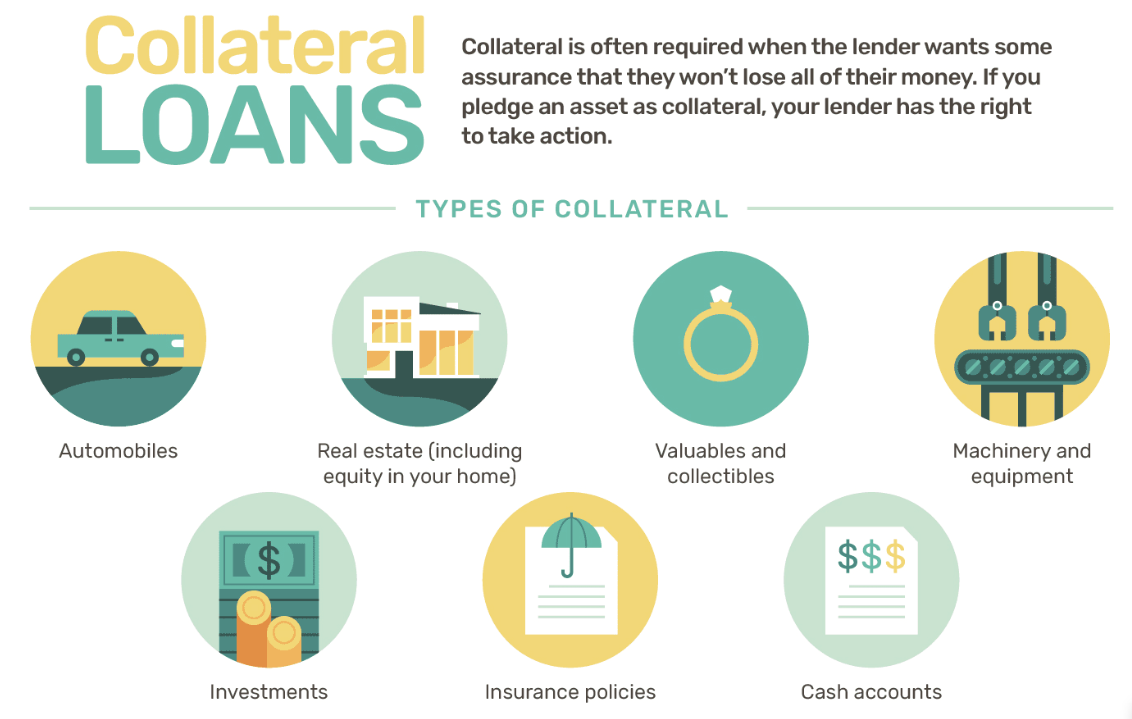
No collateral loans, also known as unsecured loans, are financial products that allow borrowers to access funds without pledging any assets as security. Unlike secured loans—where lenders can seize your property if you default—unsecured loans rely heavily on your creditworthiness, income, and financial history.
Because there is no asset backing the loan, lenders take on higher risk. As a result, these loans typically come with stricter approval criteria and higher interest rates.
How No Collateral Loans Work
When you apply for a no collateral loan, lenders evaluate several factors to determine your eligibility:
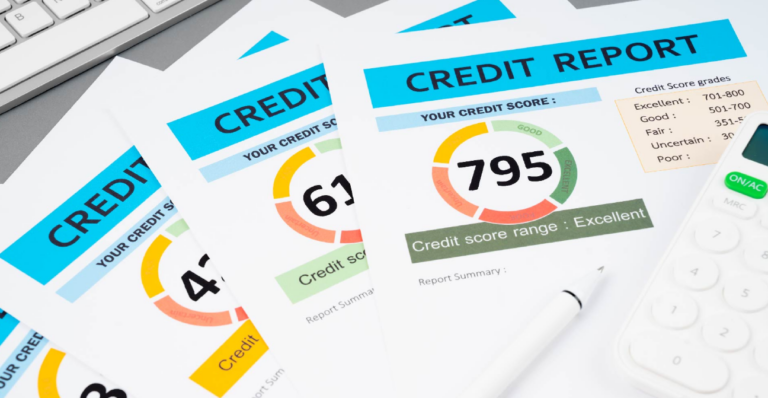
- Credit Score: A higher score increases your chances of approval.
- Income Stability: Proof of consistent income reassures lenders.
- Debt-to-Income Ratio (DTI): Shows your ability to manage additional debt.
- Employment History: Stable employment builds trust.
Once approved, you receive a lump sum or credit line, which you repay in installments over a fixed period, including interest.
Types of No Collateral Loans
There are several types of unsecured loans available depending on your needs:
1. Personal Loans
Personal loans are the most common form of no collateral loans. They can be used for almost any purpose, such as medical bills, travel, or home improvement.
Key Features:
- Fixed interest rates
- Flexible repayment terms
- Moderate loan amounts
2. Credit Cards
Credit cards provide a revolving line of credit without requiring collateral.
Key Features:
- Pay interest only on used balance
- Rewards and cashback options
- High interest rates if unpaid
3. Payday Loans
These are short-term loans designed to cover urgent expenses until your next paycheck.
Key Features:
- Quick approval
- Very high interest rates
- Short repayment periods
4. Peer-to-Peer (P2P) Loans
P2P lending platforms connect borrowers directly with individual investors.
Key Features:
- Competitive interest rates
- Flexible criteria
- Fully online process
5. Student Loans (Unsecured)
Many student loans do not require collateral and are based on future earning potential.
6. Business Loans Without Collateral
Some lenders offer unsecured loans for small businesses based on revenue and cash flow.
Benefits of No Collateral Loans
Choosing a no collateral loan offers several advantages:
1. No Risk to Personal Assets
Since you don’t need to pledge property or valuables, your assets remain safe.
2. Faster Approval Process
Without asset evaluation, the approval process is often quicker.
3. Accessibility
Ideal for individuals who do not own significant assets.
4. Flexible Usage
Funds can usually be used for any purpose.
Drawbacks to Consider
Despite the benefits, unsecured loans come with certain risks:
1. Higher Interest Rates
Lenders charge more to offset the lack of collateral.
2. Lower Loan Limits
You may not qualify for large loan amounts.
3. Strict Eligibility Requirements
Good credit and stable income are often necessary.
4. Penalties for Default
Failure to repay can severely impact your credit score and may lead to legal action.
Who Should Consider No Collateral Loans?
No collateral loans are suitable for:
- Individuals without assets
- Freelancers or gig workers
- Young professionals building credit
- Small business owners needing quick capital
- Borrowers seeking fast funding
How to Qualify for a No Collateral Loan
Improving your chances of approval requires preparation. Here are some effective strategies:
1. Improve Your Credit Score
Pay bills on time, reduce debt, and check your credit report regularly.
2. Show Stable Income
Provide proof of consistent earnings through payslips or bank statements.
3. Reduce Existing Debt
Lowering your DTI ratio makes you a more attractive borrower.
4. Apply with a Co-Signer
A co-signer with strong credit can increase your chances.
5. Choose the Right Lender
Different lenders have different requirements. Compare options carefully.
Step-by-Step Guide to Applying
Follow these steps to apply for a no collateral loan:
Step 1: Assess Your Needs
Determine how much money you need and why.
Step 2: Check Your Credit Score
Understand where you stand before applying.
Step 3: Compare Lenders
Look for competitive rates, fees, and terms.
Step 4: Prepare Documents
Common requirements include:
- ID proof
- Income proof
- Bank statements
Step 5: Submit Application
Apply online or in person.
Step 6: Wait for Approval
Approval times vary from minutes to days.
Step 7: Receive Funds
Funds are typically deposited directly into your account.
Tips for Getting the Best Loan Terms
To secure the most favorable terms:
- Shop around and compare multiple lenders
- Negotiate interest rates if possible
- Opt for shorter loan terms to reduce interest
- Avoid unnecessary add-ons or fees
- Read the fine print carefully
Common Mistakes to Avoid
Many borrowers make costly errors when applying for unsecured loans:
1. Borrowing More Than Needed
Leads to higher repayment burden.
2. Ignoring Interest Rates
Always consider the total cost of the loan.
3. Missing Payments
Damages your credit score and increases penalties.
4. Not Comparing Options
Settling for the first offer can cost more.
Alternatives to No Collateral Loans
If unsecured loans don’t suit your needs, consider these alternatives:
1. Secured Loans
Lower interest rates but require collateral.
2. Borrowing from Family or Friends
Flexible and often interest-free.
3. Savings or Emergency Funds
Avoids debt altogether.
4. Employer Salary Advances
Some companies offer early salary access.
The Role of Technology in No Collateral Lending
Digital transformation has revolutionized lending. Today, fintech companies use advanced algorithms and alternative data—such as mobile usage and transaction history—to assess borrowers.
This innovation has made no collateral loans:
- Faster to process
- More accessible to underserved populations
- Available entirely online
Are No Collateral Loans Safe?
Yes, no collateral loans are safe if you choose reputable lenders and understand the terms. However, be cautious of:
- Predatory lenders
- Hidden fees
- Unrealistic promises
Always verify the lender’s credibility before applying.
Future Trends in Unsecured Lending
The unsecured lending market continues to evolve. Key trends include:
- Increased use of AI in credit assessment
- Expansion of P2P lending platforms
- Greater financial inclusion globally
- Customized loan products based on user behavior
Final Thoughts
No collateral loans provide a valuable financial lifeline for individuals who lack assets but need immediate funding. While they offer convenience and accessibility, they also come with higher costs and stricter requirements.
The key to success lies in responsible borrowing—understanding your financial situation, comparing options, and committing to timely repayments.
By making informed decisions, you can leverage unsecured loans to meet your financial goals without putting your assets at risk.
Frequently Asked Questions (FAQs)
1. Can I get a no collateral loan with bad credit?
Yes, but options may be limited and interest rates higher.
2. How fast can I get approved?
Some lenders offer approval within minutes, while others may take a few days.
3. What is the maximum loan amount?
It varies depending on your credit profile and lender policies.
4. Are online lenders safe?
Most are, but always verify their reputation and licensing.
5. Can I repay early?
Many lenders allow early repayment, sometimes with fees.