In today’s highly competitive business environment, acquiring new customers is only half the battle. Retaining existing customers has become even more critical for long-term success. Studies consistently show that increasing customer retention rates by just a small percentage can significantly boost profitability. This is where Customer Relationship Management (CRM) systems come into play.
CRM systems are powerful tools designed to help businesses manage interactions with current and potential customers. By centralizing customer data, automating processes, and providing valuable insights, CRM platforms enable organizations to build stronger relationships and improve customer retention.
In this article, we will explore in depth how CRM systems help businesses improve customer retention, why retention matters, and practical strategies for leveraging CRM effectively.
What is a CRM System?
A Customer Relationship Management (CRM) system is a software solution that helps businesses organize, track, and manage customer interactions throughout the entire customer lifecycle. From initial contact to post-purchase support, CRM systems store all relevant data in one place.
Key features of CRM systems include:
- Contact management
- Sales tracking
- Customer interaction history
- Marketing automation
- Customer support tools
- Analytics and reporting
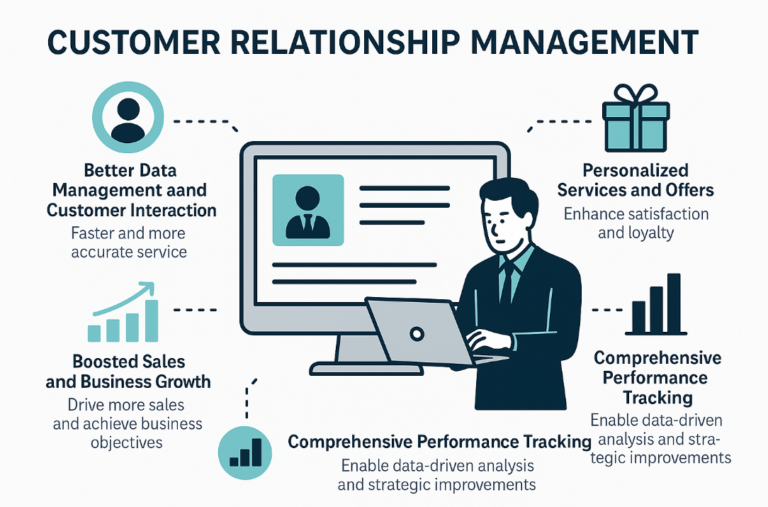
By integrating these features, CRM systems provide a holistic view of each customer, enabling businesses to deliver personalized experiences.
Why Customer Retention Matters
Customer retention refers to a company’s ability to keep its customers over time. High retention rates indicate satisfied customers who continue to engage with a brand.
Here are some reasons why customer retention is essential:
1. Cost Efficiency
Acquiring new customers can cost five to seven times more than retaining existing ones. CRM systems help reduce acquisition costs by focusing on nurturing current relationships.
2. Increased Revenue
Returning customers tend to spend more than new customers. They are also more likely to purchase additional products or services.
3. Brand Loyalty
Satisfied customers become loyal advocates who recommend your business to others, creating organic growth.
4. Valuable Feedback
Long-term customers provide insights that help improve products, services, and overall customer experience.
How CRM Systems Improve Customer Retention
1. Centralized Customer Data
One of the biggest advantages of CRM systems is the ability to store all customer information in a centralized database. This includes contact details, purchase history, preferences, and past interactions.
With this information readily available, businesses can:
- Understand customer needs better
- Personalize communication
- Avoid repetitive interactions
This level of organization ensures that no customer falls through the cracks.
2. Personalized Customer Experiences
Personalization is a key driver of customer retention. CRM systems enable businesses to tailor their interactions based on individual customer data.
For example:
- Sending personalized emails based on past purchases
- Offering product recommendations
- Addressing customers by name
These personalized touches make customers feel valued, increasing the likelihood of repeat business.
3. Improved Customer Support
CRM systems enhance customer support by providing agents with instant access to customer history. This allows support teams to resolve issues faster and more effectively.
Benefits include:
- Faster response times
- Consistent communication
- Better problem resolution
When customers receive excellent support, they are more likely to remain loyal to the brand.
4. Automated Follow-Ups
Consistency is crucial in maintaining relationships. CRM systems automate follow-ups, ensuring that customers are regularly engaged.
Examples of automated follow-ups include:
- Thank-you emails after purchases
- Reminder emails for renewals
- Feedback requests
Automation ensures timely communication without overwhelming staff.
5. Customer Segmentation
CRM systems allow businesses to segment customers based on various criteria such as demographics, behavior, and purchase history.
Segmentation enables:
- Targeted marketing campaigns
- Relevant product recommendations
- Customized communication strategies
By delivering relevant content, businesses can maintain stronger connections with their audience.
6. Predictive Analytics
Advanced CRM systems use data analytics to predict customer behavior. This helps businesses anticipate customer needs and address potential issues before they arise.
For example:
- Identifying customers at risk of churning
- Predicting future purchases
- Recommending upsell opportunities
Proactive engagement significantly improves retention rates.
7. Enhanced Communication Channels
Modern CRM systems integrate multiple communication channels, including email, social media, phone, and live chat.
This ensures:
- Seamless communication across platforms
- Consistent messaging
- Better customer engagement
Customers appreciate the ability to interact with businesses through their preferred channels.
8. Loyalty Program Management
CRM systems can track and manage loyalty programs, rewarding customers for their continued engagement.
Examples include:
- Points-based reward systems
- Exclusive offers
- VIP customer tiers
Loyalty programs incentivize repeat purchases and strengthen customer relationships.
9. Feedback and Survey Management
Collecting customer feedback is essential for improvement. CRM systems facilitate feedback collection through surveys and reviews.
Businesses can:
- Identify areas for improvement
- Address customer concerns
- Enhance products and services
Acting on feedback demonstrates that a company values its customers.
10. Consistent Customer Journey
A CRM system ensures a consistent customer experience across all touchpoints. Whether a customer interacts with sales, marketing, or support, the experience remains seamless.
Consistency builds trust and reinforces brand reliability.
Best Practices for Using CRM to Improve Retention
1. Keep Data Updated
Ensure that customer data is accurate and regularly updated. Outdated information can lead to poor communication and missed opportunities.
2. Train Your Team
Employees should be properly trained to use CRM systems effectively. A well-trained team can maximize the system’s potential.
3. Focus on Personalization
Use CRM data to deliver highly personalized experiences. Avoid generic communication.
4. Monitor Key Metrics
Track metrics such as:
- Customer retention rate
- Churn rate
- Customer lifetime value (CLV)
These metrics help measure the effectiveness of your retention strategies.
5. Integrate with Other Tools
Integrate your CRM with marketing, sales, and support tools for a unified workflow.
Common Challenges and How to Overcome Them
1. Data Overload
Too much data can be overwhelming. Focus on collecting and analyzing relevant information.
2. User Adoption Issues
Employees may resist new systems. Provide training and demonstrate the benefits to encourage adoption.
3. Integration Problems
Ensure your CRM integrates smoothly with existing systems to avoid workflow disruptions.
4. Privacy Concerns
Protect customer data by implementing strong security measures and complying with data protection regulations.
Future Trends in CRM and Customer Retention
1. Artificial Intelligence (AI)
AI-powered CRM systems are becoming more sophisticated, offering predictive insights and automated decision-making.
2. Omnichannel Experiences
Businesses are focusing on providing seamless experiences across multiple channels.
3. Hyper-Personalization
Advanced data analytics enable even more personalized customer interactions.
4. Mobile CRM
Mobile-friendly CRM systems allow teams to access data anytime, anywhere.
Conclusion
CRM systems play a crucial role in helping businesses improve customer retention. By centralizing data, enabling personalization, automating processes, and providing valuable insights, CRM platforms empower organizations to build strong, lasting relationships with their customers.
In a world where customer expectations are constantly evolving, businesses that leverage CRM effectively will have a significant competitive advantage. Investing in the right CRM system and implementing best practices can lead to increased loyalty, higher revenue, and long-term success.
Ultimately, customer retention is not just about maintaining relationships—it’s about nurturing them. And with the right CRM strategy, businesses can turn satisfied customers into lifelong advocates.