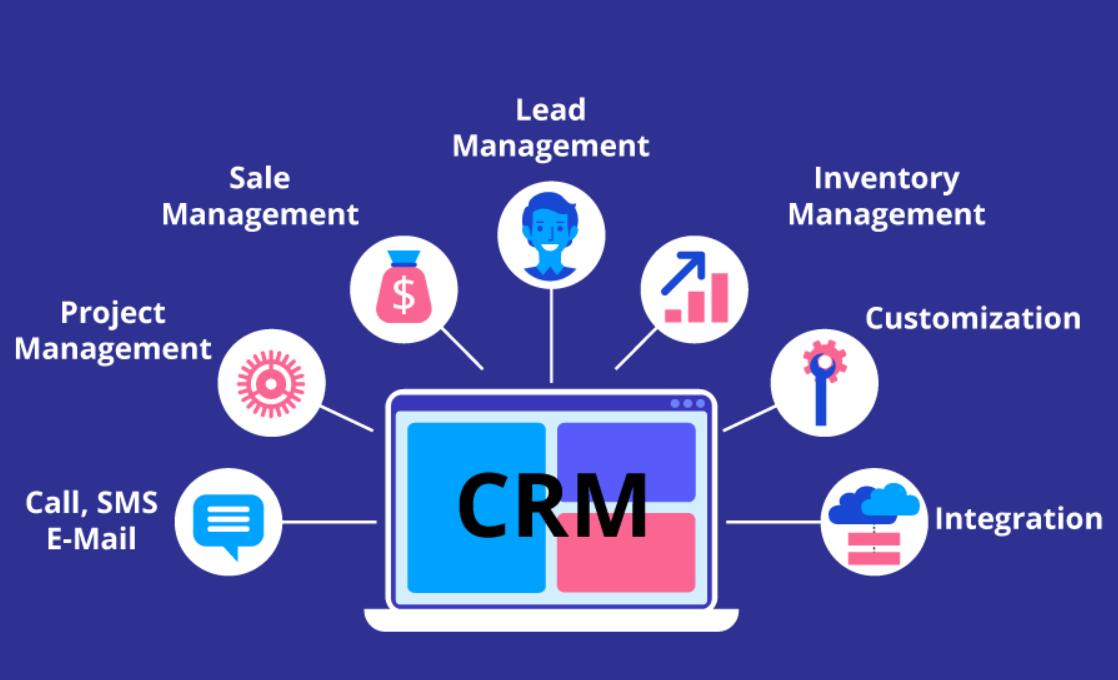
In today’s fast-paced and highly competitive digital landscape, businesses are constantly seeking smarter ways to manage relationships, improve efficiency, and drive growth. One of the most powerful tools that organizations of all sizes are leveraging is a Customer Relationship Management (CRM) system. Whether you run a small startup or a large enterprise, implementing a CRM system can transform how you interact with customers, manage data, and streamline operations.
This article explores the benefits of CRM systems and explains why your business needs one today. By understanding how CRM technology works and the value it brings, you can make informed decisions that position your business for long-term success.
What is a CRM System?
A Customer Relationship Management (CRM) system is a software platform designed to help businesses manage interactions with current and potential customers. It centralizes customer data, tracks communication history, and automates key processes such as sales, marketing, and customer support.
CRM systems act as a single source of truth for your business, ensuring that all teams—from sales representatives to customer service agents—have access to accurate and up-to-date information. This unified approach leads to better collaboration, improved customer experiences, and more effective decision-making.
The Growing Importance of CRM in Modern Business
With the rise of digital communication channels, customers now expect personalized, fast, and consistent interactions. Businesses that fail to meet these expectations risk losing customers to competitors who can deliver better experiences.
CRM systems have become essential because they enable companies to:
- Understand customer behavior and preferences
- Deliver personalized experiences
- Improve internal communication
- Increase efficiency and productivity
As customer expectations continue to evolve, CRM systems provide the tools needed to stay ahead of the competition.
Key Benefits of CRM Systems
1. Centralized Customer Data
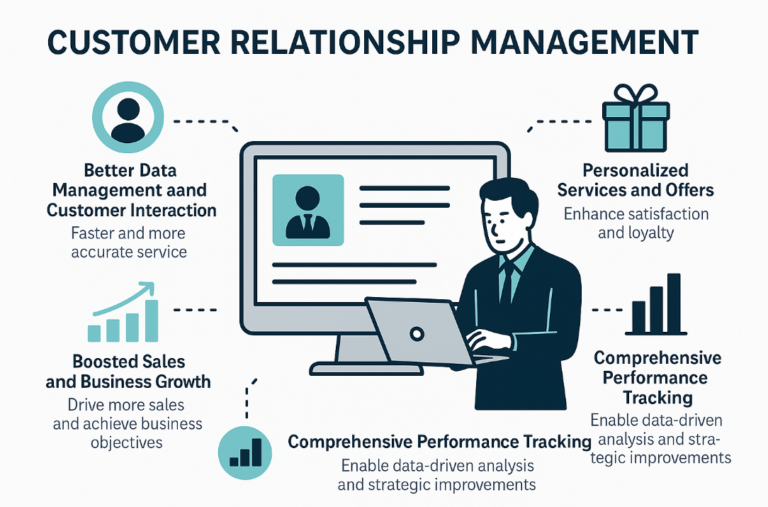
One of the most significant advantages of CRM systems is the ability to store all customer information in one place. This includes contact details, purchase history, communication logs, and preferences.
Having centralized data eliminates the need for scattered spreadsheets or disconnected tools. It ensures that every team member has access to the same information, reducing errors and improving efficiency.
2. Improved Customer Relationships
CRM systems enable businesses to build stronger relationships with their customers. By having a complete view of each customer’s journey, companies can tailor their interactions and provide more personalized experiences.
For example, sales teams can follow up at the right time, while support teams can resolve issues more effectively by understanding past interactions.
3. Increased Sales and Revenue
A CRM system helps businesses manage their sales pipeline more effectively. It allows sales teams to track leads, monitor progress, and identify opportunities.
With better visibility into the sales process, businesses can:
- Prioritize high-value leads
- Shorten sales cycles
- Close deals faster
This ultimately leads to increased revenue and improved business performance.
4. Enhanced Marketing Strategies
CRM systems provide valuable insights into customer behavior, enabling businesses to create targeted marketing campaigns. By analyzing data such as purchase history and engagement patterns, companies can segment their audience and deliver more relevant messages.
This level of personalization increases the effectiveness of marketing efforts and improves return on investment (ROI).
5. Better Customer Service
Providing excellent customer service is crucial for retaining customers and building loyalty. CRM systems equip support teams with the information they need to respond quickly and effectively.
With access to customer history and previous interactions, support agents can resolve issues faster and provide a more seamless experience.
6. Automation of Routine Tasks
CRM systems automate repetitive tasks such as data entry, follow-up emails, and appointment scheduling. This frees up valuable time for employees to focus on more strategic activities.
Automation not only improves efficiency but also reduces the risk of human error, ensuring consistent and reliable processes.
7. Improved Team Collaboration
By providing a centralized platform for data and communication, CRM systems enhance collaboration across departments. Sales, marketing, and customer service teams can work together more effectively, sharing insights and coordinating efforts.
This collaborative approach leads to better outcomes and a more cohesive customer experience.
8. Data-Driven Decision Making
CRM systems generate detailed reports and analytics that help businesses make informed decisions. By analyzing key metrics such as sales performance, customer retention, and campaign effectiveness, companies can identify trends and opportunities.
Data-driven decision-making enables businesses to optimize their strategies and achieve better results.
9. Scalability and Growth
As your business grows, managing customer relationships becomes more complex. CRM systems are designed to scale with your organization, accommodating increasing amounts of data and users.
This scalability ensures that your CRM system continues to support your business as it expands.
10. Competitive Advantage
In a crowded marketplace, having a CRM system can give your business a significant edge. By improving efficiency, enhancing customer experiences, and enabling better decision-making, CRM systems help you stay ahead of competitors.
Why Your Business Needs a CRM System Today
Rising Customer Expectations
Customers today expect quick responses, personalized interactions, and seamless experiences across multiple channels. A CRM system helps you meet these expectations by providing the tools needed to manage and optimize customer interactions.
Increased Data Complexity
As businesses collect more data, managing it effectively becomes a challenge. CRM systems simplify data management by organizing information in a structured and accessible way.
Need for Efficiency
In a competitive environment, efficiency is key to success. CRM systems streamline processes, reduce manual work, and improve productivity, allowing your team to focus on high-value activities.
Remote and Hybrid Work Trends
With the rise of remote and hybrid work models, having a centralized system for managing customer relationships is more important than ever. CRM systems enable teams to access data and collaborate from anywhere.
How to Choose the Right CRM System
When selecting a CRM system for your business, consider the following factors:
Ease of Use
Choose a CRM system that is user-friendly and easy to navigate. This ensures that your team can adopt it quickly and use it effectively.
Customization
Look for a CRM system that can be customized to meet your specific business needs. This includes features such as custom fields, workflows, and reporting options.
Integration Capabilities
Your CRM system should integrate seamlessly with other tools you use, such as email platforms, marketing software, and accounting systems.
Scalability
Ensure that the CRM system can grow with your business and accommodate future needs.
Cost
Consider your budget and evaluate the pricing structure of the CRM system. Look for a solution that offers good value for money.
Common Challenges and How to Overcome Them
Resistance to Change
Implementing a CRM system often requires changes in processes and workflows. Some employees may resist these changes.
To overcome this challenge, provide proper training and highlight the benefits of the CRM system.
Data Migration Issues
Transferring data from existing systems to a new CRM can be complex. Ensure that you have a clear data migration plan and validate data accuracy.
Lack of Adoption
If your team does not fully adopt the CRM system, you may not achieve the desired results. Encourage usage by providing training and demonstrating the value of the system.
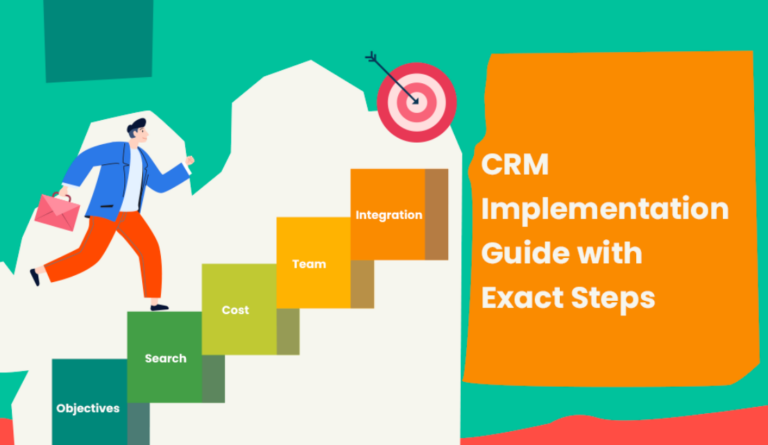
Best Practices for CRM Implementation
- Define clear goals and objectives
- Involve key stakeholders in the process
- Provide comprehensive training
- Monitor performance and make adjustments
- Continuously update and improve your CRM strategy
Future Trends in CRM Systems
Artificial Intelligence and Automation
AI-powered CRM systems are becoming more advanced, offering features such as predictive analytics, chatbots, and automated workflows.
Mobile CRM
With the increasing use of mobile devices, CRM systems are becoming more accessible on smartphones and tablets.
Integration with Emerging Technologies
CRM systems are integrating with technologies such as the Internet of Things (IoT) and big data analytics, providing deeper insights and more capabilities.
Conclusion
In conclusion, CRM systems are no longer optional—they are essential for businesses that want to thrive in today’s competitive environment. From improving customer relationships to increasing efficiency and driving growth, the benefits of CRM systems are undeniable.
By implementing the right CRM system and following best practices, your business can unlock new opportunities and achieve long-term success. Now is the time to invest in a CRM system and take your business to the next level.