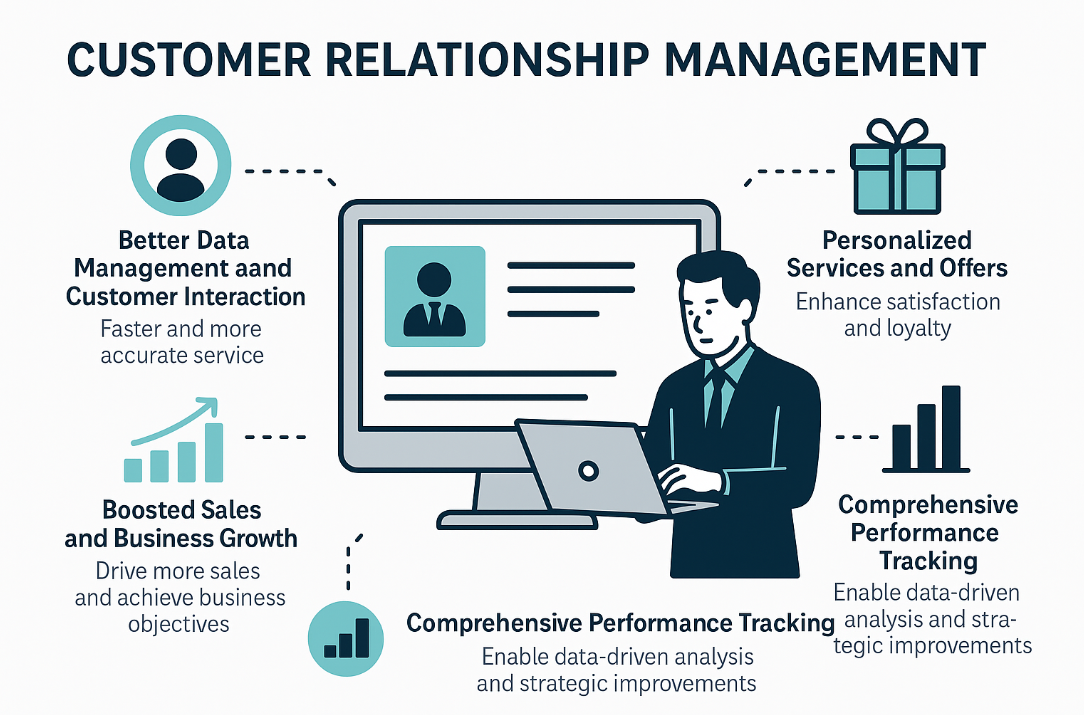
In today’s highly competitive digital marketplace, businesses are constantly searching for ways to enhance their sales performance while maintaining strong relationships with their customers. One of the most powerful tools that has emerged to address both of these goals is Customer Relationship Management (CRM). A well-implemented CRM system not only streamlines sales processes but also significantly improves customer engagement, leading to long-term business growth.
This article explores in depth how CRM improves sales performance and customer engagement, why it is essential for modern businesses, and how companies can maximize its potential.
What is CRM?
Customer Relationship Management (CRM) refers to a combination of strategies, technologies, and practices that businesses use to manage and analyze customer interactions throughout the customer lifecycle. The main goal of CRM is to improve customer relationships, assist in customer retention, and drive sales growth.
CRM systems centralize customer data, allowing businesses to access important information such as contact details, purchase history, preferences, and communication records in one place. This unified approach helps teams collaborate effectively and make data-driven decisions.
The Importance of CRM in Modern Business
In the digital age, customers expect personalized experiences and quick responses. Businesses that fail to meet these expectations risk losing customers to competitors. CRM plays a crucial role in helping companies stay competitive by:
- Organizing customer data efficiently
- Enhancing communication across teams
- Automating repetitive tasks
- Providing insights through analytics
- Improving customer satisfaction
Without CRM, businesses often struggle with scattered data, missed opportunities, and inconsistent customer experiences.
How CRM Improves Sales Performance
1. Centralized Customer Data
One of the most significant advantages of CRM is the centralization of customer information. Sales teams no longer need to search through emails, spreadsheets, or multiple platforms to find relevant data.
With CRM:
- All customer interactions are stored in one place
- Sales representatives can quickly access customer history
- Teams can personalize their approach based on data
This leads to more efficient sales processes and higher conversion rates.
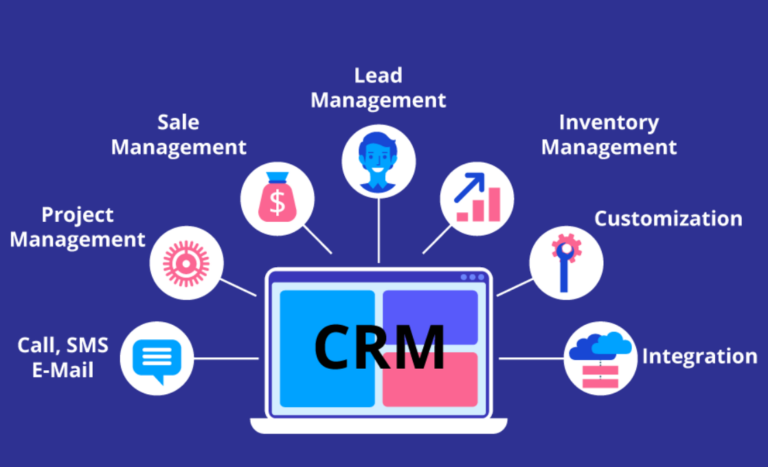
2. Better Lead Management
CRM systems help businesses capture, track, and manage leads effectively. Instead of losing potential customers due to poor organization, CRM ensures every lead is properly handled.
Key benefits include:
- Automated lead capture from websites and campaigns
- Lead scoring based on behavior and engagement
- Prioritization of high-quality prospects
By focusing on the most promising leads, sales teams can increase their chances of closing deals.
3. Sales Automation
Sales automation is a game-changer for productivity. CRM systems automate repetitive tasks such as:
- Sending follow-up emails
- Scheduling appointments
- Updating sales records
- Generating reports
This allows sales professionals to focus on what matters most—building relationships and closing deals.
4. Improved Sales Forecasting
CRM tools provide real-time data and analytics that help businesses predict future sales more accurately.
With CRM:
- Managers can track sales pipelines
- Teams can identify trends and patterns
- Businesses can make informed decisions
Accurate forecasting helps companies allocate resources effectively and plan for growth.
5. Enhanced Collaboration Among Teams
Sales success often depends on collaboration between departments such as marketing, customer service, and sales.
CRM systems enable:
- Shared access to customer data
- Seamless communication between teams
- Alignment of goals and strategies
This unified approach ensures that customers receive consistent and high-quality interactions across all touchpoints.
6. Faster Sales Cycles
By providing instant access to information and automating tasks, CRM reduces the time required to close deals.
Sales teams can:
- Respond quickly to inquiries
- Follow up promptly
- Address customer concerns efficiently
Shorter sales cycles mean more deals closed in less time, directly improving overall performance.
How CRM Enhances Customer Engagement
1. Personalized Customer Experiences
Customers today expect businesses to understand their needs and preferences. CRM systems make personalization possible by storing detailed customer data.
Businesses can:
- Tailor marketing messages
- Recommend relevant products
- Customize communication
Personalization builds trust and increases customer loyalty.
2. Improved Customer Communication
Effective communication is key to strong customer relationships. CRM systems help businesses maintain consistent and meaningful interactions.
Features include:
- Email integration
- Chat and messaging tools
- Communication history tracking
With CRM, no conversation is lost, and every interaction is informed by previous engagements.
3. Faster Response Times
Customers value quick responses. CRM systems ensure that inquiries and issues are addressed promptly.
Benefits include:
- Automated responses
- Ticketing systems for support
- Real-time notifications
Faster response times lead to higher customer satisfaction and improved brand reputation.
4. Customer Journey Tracking
CRM allows businesses to track the entire customer journey—from initial contact to post-purchase interactions.
This helps companies:
- Understand customer behavior
- Identify pain points
- Optimize the customer experience
By analyzing the journey, businesses can continuously improve their strategies.
5. Increased Customer Retention
Retaining existing customers is often more cost-effective than acquiring new ones. CRM plays a crucial role in customer retention by:
- Maintaining regular communication
- Offering personalized incentives
- Identifying at-risk customers
Satisfied customers are more likely to remain loyal and recommend the brand to others.
6. Multi-Channel Engagement
Modern customers interact with businesses through multiple channels, including email, social media, and websites.
CRM systems integrate these channels, allowing businesses to:
- Provide consistent messaging
- Track interactions across platforms
- Engage customers wherever they are
This omnichannel approach enhances the overall customer experience.
Key Features of an Effective CRM System
To fully benefit from CRM, businesses should look for systems that offer:
1. Contact Management
Stores and organizes customer information efficiently.
2. Sales Pipeline Management
Provides a visual representation of sales stages.
3. Automation Tools
Reduces manual work and increases efficiency.
4. Analytics and Reporting
Offers insights into performance and customer behavior.
5. Integration Capabilities
Connects with other tools such as marketing platforms and email systems.
6. Mobile Access
Allows teams to access CRM data anytime, anywhere.
Best Practices for Using CRM Effectively
1. Define Clear Goals
Before implementing CRM, businesses should identify their objectives, such as improving sales conversion rates or enhancing customer satisfaction.
2. Train Your Team
Proper training ensures that employees understand how to use the CRM system effectively.
3. Keep Data Clean and Updated
Accurate data is essential for CRM success. Regularly update and remove outdated information.
4. Leverage Automation
Use automation features to save time and improve efficiency.
5. Monitor Performance
Regularly analyze CRM data to identify areas for improvement.
Common Challenges and How to Overcome Them
1. Resistance to Change
Employees may be hesitant to adopt new systems. Overcome this by providing training and highlighting benefits.
2. Data Overload
Too much data can be overwhelming. Focus on relevant information and use analytics tools.
3. Poor Implementation
A poorly implemented CRM system can lead to inefficiencies. Work with experts and follow best practices.
Future Trends in CRM
As technology continues to evolve, CRM systems are becoming more advanced. Key trends include:
1. Artificial Intelligence (AI)
AI-powered CRM systems can:
- Predict customer behavior
- Automate decision-making
- Provide advanced insights
2. Cloud-Based CRM
Cloud solutions offer:
- Scalability
- Remote access
- Cost-effectiveness
3. Integration with IoT
CRM systems are increasingly integrating with Internet of Things (IoT) devices to gather real-time data.
4. Enhanced Data Security
With growing concerns about data privacy, CRM systems are focusing on stronger security measures.
Conclusion
Customer Relationship Management (CRM) is no longer a luxury—it is a necessity for businesses that want to thrive in a competitive environment. By centralizing data, automating processes, and providing valuable insights, CRM significantly improves sales performance. At the same time, it enhances customer engagement by enabling personalized experiences, faster communication, and better relationship management.
Businesses that invest in CRM and use it effectively will not only increase their sales but also build lasting relationships with their customers. In the long run, this leads to sustainable growth, stronger brand loyalty, and a competitive edge in the market.