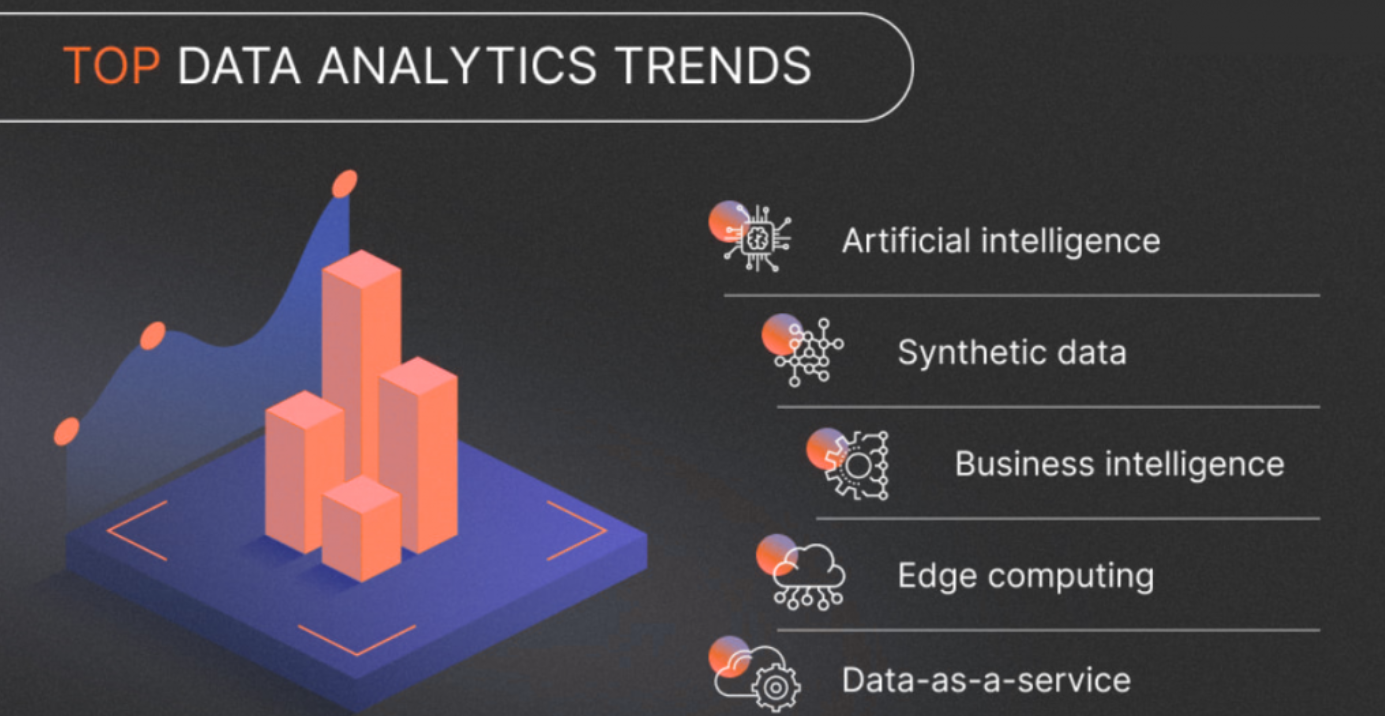
Big data analytics continues to reshape how businesses operate, compete, and innovate. In 2026, the pace of change is faster than ever, driven by advances in artificial intelligence, cloud computing, and real-time processing technologies. Organizations that stay ahead of these trends gain a significant competitive advantage, while those that lag risk falling behind.
In this comprehensive guide, we’ll explore the most important big data analytics trends you need to know right now—and how they’re transforming industries across the globe.
1. AI-Powered Analytics Becomes the Standard
Artificial Intelligence (AI) is no longer a “nice-to-have” in big data—it’s now a core component. Modern analytics platforms increasingly rely on machine learning algorithms to automate insights, detect patterns, and make predictions.
Key Developments:
- Automated data cleaning and preparation
- Predictive and prescriptive analytics
- Natural Language Processing (NLP) for querying data
AI-driven analytics tools allow even non-technical users to extract valuable insights without needing deep expertise in data science. This democratization of analytics is accelerating decision-making across organizations.
2. Real-Time Data Processing Takes Center Stage
Businesses can no longer rely solely on batch processing. Real-time data analytics is becoming essential for industries like finance, e-commerce, healthcare, and logistics.
Why It Matters:
- Immediate decision-making
- Enhanced customer experiences
- Faster fraud detection
Technologies like stream processing and edge computing are enabling companies to analyze data as it is generated, leading to faster and more accurate responses.
3. Rise of Data Fabric Architecture
Data fabric is emerging as a modern approach to managing complex data environments. It integrates data across multiple platforms—on-premise, cloud, and hybrid systems—into a unified architecture.
Benefits:
- Seamless data integration
- Improved data governance
- Reduced data silos
With organizations handling massive volumes of structured and unstructured data, data fabric simplifies access and ensures consistency across systems.
4. Data Privacy and Governance Become Critical
With stricter regulations and growing consumer awareness, data privacy is now a top priority. Companies must ensure compliance while still extracting value from their data.
Key Trends:
- Implementation of stricter data protection policies
- Increased investment in data governance tools
- Ethical data usage practices
Organizations are focusing on transparency and accountability to build trust with customers and avoid costly penalties.
5. Cloud-Native Analytics Continues to Dominate
Cloud computing has revolutionized big data analytics, offering scalability, flexibility, and cost efficiency. In 2026, cloud-native analytics platforms are the default choice for many businesses.
Advantages:
- On-demand scalability
- Lower infrastructure costs
- Faster deployment of analytics solutions
Cloud providers are continuously enhancing their analytics capabilities, making it easier for companies to process and analyze large datasets without heavy upfront investments.
6. Edge Computing Expands Data Capabilities
Edge computing is transforming how data is processed by bringing computation closer to the source of data generation.
Use Cases:
- IoT devices
- Smart cities
- Autonomous vehicles
By processing data at the edge, organizations can reduce latency, improve performance, and enhance real-time analytics capabilities.
7. Data Democratization Empowers Everyone
Data is no longer limited to data scientists and analysts. Modern tools are making data accessible to employees across all departments.
Key Features:
- User-friendly dashboards
- Self-service analytics platforms
- Low-code and no-code solutions
This trend is empowering teams to make data-driven decisions without relying heavily on IT departments, leading to increased agility and innovation.
8. Augmented Analytics Gains Momentum
Augmented analytics uses AI and machine learning to enhance data preparation, insight generation, and visualization.
What It Offers:
- Automated insights
- Smart data visualization
- Context-aware recommendations
By reducing manual effort, augmented analytics allows organizations to focus on strategic decision-making rather than data processing.
9. Data as a Service (DaaS) Becomes Mainstream
Data as a Service (DaaS) enables organizations to access and share data through cloud-based platforms.
Benefits:
- Easy data accessibility
- Reduced infrastructure complexity
- Faster integration with applications
DaaS is particularly valuable for companies looking to monetize their data or collaborate with partners.
10. Integration of IoT and Big Data
The Internet of Things (IoT) continues to generate massive amounts of data, driving the need for advanced analytics.
Applications:
- Predictive maintenance in manufacturing
- Smart healthcare monitoring
- Real-time supply chain tracking
The combination of IoT and big data analytics is unlocking new opportunities for efficiency and innovation.
11. Advanced Data Visualization Techniques
Data visualization is evolving beyond traditional charts and graphs. Modern tools offer interactive and immersive experiences.
Trends:
- AI-generated visualizations
- Interactive dashboards
- AR/VR-based data exploration
These advancements help decision-makers better understand complex datasets and identify trends quickly.
12. Automation in Data Engineering
Data engineering processes are becoming increasingly automated, reducing the need for manual intervention.
Key Areas:
- Automated ETL (Extract, Transform, Load)
- Data pipeline management
- Error detection and correction
Automation improves efficiency, reduces errors, and accelerates the time-to-insight.
13. Hybrid and Multi-Cloud Strategies
Organizations are adopting hybrid and multi-cloud strategies to optimize performance and avoid vendor lock-in.
Advantages:
- Flexibility in choosing cloud providers
- Improved disaster recovery
- Enhanced scalability
This approach allows businesses to leverage the strengths of different platforms while maintaining control over their data.
14. Increased Focus on Data Quality
High-quality data is essential for accurate analytics. Poor data quality can lead to incorrect insights and costly mistakes.
Key Practices:
- Data cleansing and validation
- Data lineage tracking
- Continuous monitoring
Organizations are investing in tools and processes to ensure their data remains accurate, consistent, and reliable.
15. Rise of Predictive and Prescriptive Analytics
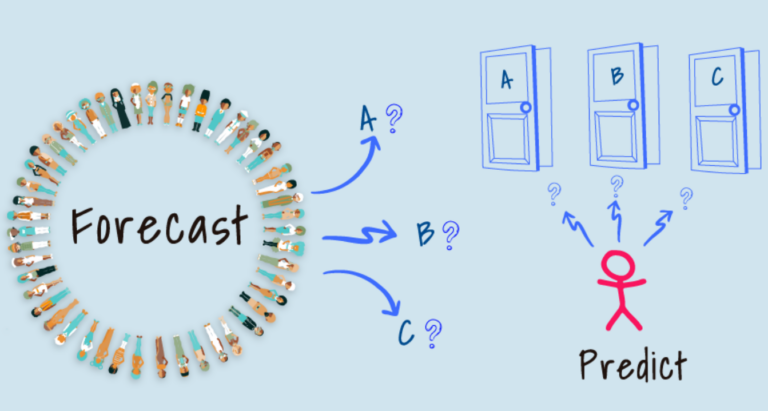
Predictive analytics forecasts future trends, while prescriptive analytics recommends actions based on those predictions.
Benefits:
- Better strategic planning
- Risk mitigation
- Improved operational efficiency
These advanced analytics techniques are helping businesses stay proactive rather than reactive.
16. Data Security Innovations
As data volumes grow, so do security risks. New technologies are emerging to protect sensitive information.
Key Innovations:
- Encryption and tokenization
- Zero-trust security models
- AI-driven threat detection
Organizations must prioritize security to safeguard their data and maintain customer trust.
17. Open-Source Analytics Tools Gain Popularity
Open-source tools are becoming increasingly popular due to their flexibility and cost-effectiveness.
Examples of Benefits:
- Customizable solutions
- Strong community support
- Lower costs compared to proprietary tools
Many organizations are adopting open-source platforms to build scalable and efficient analytics systems.
18. Industry-Specific Analytics Solutions
Different industries have unique data needs, leading to the rise of specialized analytics solutions.
Examples:
- Healthcare analytics for patient care
- Retail analytics for customer behavior
- Financial analytics for risk management
These tailored solutions provide deeper insights and more relevant outcomes.
19. Sustainability and Green Data Initiatives
Sustainability is becoming a key focus in big data analytics. Companies are looking for ways to reduce their environmental impact.
Key Efforts:
- Energy-efficient data centers
- Optimized data storage
- Green cloud computing solutions
Organizations are aligning their data strategies with environmental goals to promote sustainability.
20. Human-AI Collaboration in Analytics
The future of big data lies in collaboration between humans and AI systems.
What This Means:
- AI handles repetitive tasks
- Humans focus on strategy and creativity
- Enhanced decision-making processes
This synergy leads to better outcomes and more innovative solutions.
Conclusion: Staying Ahead in the Big Data Era
Big data analytics is evolving rapidly, and staying informed about the latest trends is essential for success. From AI-powered insights to real-time processing and data democratization, these trends are shaping the future of business and technology.
Organizations that embrace these innovations will be better equipped to:
- Make faster, data-driven decisions
- Improve customer experiences
- Gain a competitive edge in their industries
As we move further into 2026, the importance of big data analytics will only continue to grow. By understanding and leveraging these trends, businesses can unlock new opportunities and drive long-term success.