In the digital-first era, marketing has evolved from intuition-based decision-making to a data-driven science. Every interaction—clicks, searches, purchases, social engagement—creates a trail of valuable information. Businesses that can harness and interpret this data effectively are gaining a powerful competitive edge. This is where big data analytics is revolutionizing marketing strategies.
By analyzing vast amounts of structured and unstructured data, marketers can better understand their audience, predict behavior, personalize experiences, and optimize campaigns in real time. This article explores how big data analytics is transforming modern marketing, the tools and techniques involved, real-world applications, benefits, challenges, and future trends.
What Is Big Data Analytics in Marketing?
Big data analytics in marketing refers to the process of collecting, processing, and analyzing large datasets to uncover insights about customer behavior, preferences, and trends. These insights help businesses create more targeted and effective marketing strategies.
The data used in marketing analytics comes from multiple sources, including:
- Website traffic and user behavior
- Social media platforms
- Email campaigns
- Customer purchase history
- Mobile apps
- CRM systems
This data is often categorized using the “5 Vs” of big data:
- Volume – Massive amounts of data generated daily
- Velocity – Speed at which data is processed
- Variety – Different types of data formats
- Veracity – Accuracy and reliability of data
- Value – Actionable insights derived from data
The Shift from Traditional to Data-Driven Marketing
Traditional marketing relied heavily on broad audience targeting, assumptions, and limited feedback mechanisms. Campaigns were often difficult to measure and optimize.
With big data analytics, marketing has become:
- Personalized instead of generic
- Predictive instead of reactive
- Measurable instead of ambiguous
- Automated instead of manual
This shift allows businesses to connect with their audience more effectively and achieve higher ROI.
Key Ways Big Data Analytics Is Transforming Marketing Strategies
1. Advanced Customer Segmentation
Big data enables marketers to segment audiences with incredible precision. Instead of basic demographics, businesses can now segment users based on:
- Behavior patterns
- Interests and preferences
- Purchase history
- Online activity
This leads to highly targeted campaigns that resonate with specific customer groups.
2. Personalization at Scale
Personalization is one of the most impactful applications of big data analytics in marketing. Businesses can tailor content, offers, and experiences for individual users.
Examples include:
- Product recommendations on e-commerce platforms
- Personalized email campaigns
- Dynamic website content
- Customized advertisements
Personalization increases engagement, conversions, and customer loyalty.
3. Predictive Analytics for Better Decision-Making
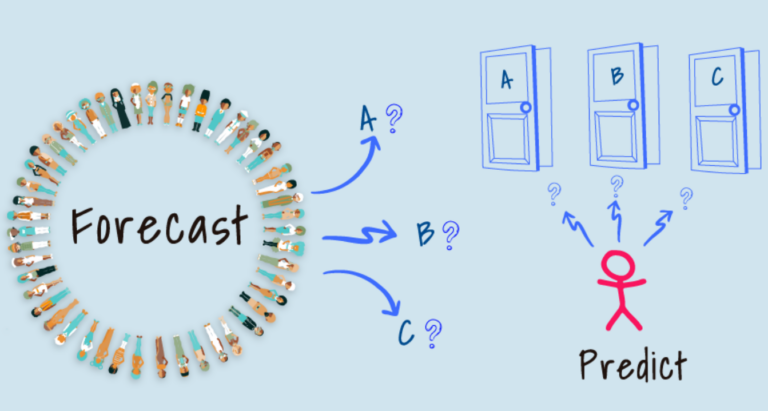
Predictive analytics uses historical data and machine learning algorithms to forecast future behavior.
Marketers can:
- Predict customer churn
- Identify high-value customers
- Forecast demand trends
- Optimize pricing strategies
This allows businesses to make proactive decisions rather than reacting to past outcomes.
4. Real-Time Marketing Optimization
Big data analytics enables real-time monitoring and optimization of marketing campaigns.
Marketers can:
- Track campaign performance instantly
- Adjust ad spend dynamically
- Optimize targeting and messaging
- Respond quickly to market changes
Real-time insights ensure that marketing efforts remain effective and efficient.
5. Enhanced Customer Journey Mapping
Understanding the customer journey is crucial for effective marketing. Big data provides a complete view of customer interactions across multiple touchpoints.
Businesses can analyze:
- Awareness stage behavior
- Consideration phase interactions
- Purchase decisions
- Post-purchase engagement
This helps create seamless and consistent customer experiences.
6. Improved Content Marketing Strategies
Content marketing benefits greatly from big data analytics. Marketers can identify:
- Which content performs best
- What topics resonate with audiences
- Optimal publishing times
- Preferred content formats
This leads to more engaging and impactful content strategies.
7. Optimized Advertising Campaigns
Big data analytics allows marketers to maximize the effectiveness of advertising campaigns.
Key benefits include:
- Precise audience targeting
- Better ad placement
- Reduced wasted ad spend
- Higher conversion rates
Platforms like search engines and social media use data-driven algorithms to deliver relevant ads to users.
8. Social Media Insights and Sentiment Analysis
Social media platforms generate vast amounts of data that can be analyzed to understand customer sentiment.
Marketers can:
- Monitor brand reputation
- Identify trending topics
- Analyze customer feedback
- Engage with audiences effectively
Sentiment analysis helps businesses adapt their strategies based on public perception.
Technologies Powering Big Data Marketing
Several advanced technologies enable the effective use of big data in marketing:
1. Artificial Intelligence (AI)
AI helps automate data analysis and provides actionable insights. It powers recommendation systems, chatbots, and predictive analytics.
2. Machine Learning
Machine learning algorithms identify patterns in data and improve over time, enhancing targeting and personalization.
3. Marketing Automation Tools
Automation platforms streamline marketing processes such as email campaigns, lead nurturing, and customer segmentation.
4. Data Management Platforms (DMPs)
DMPs collect and organize data from multiple sources, enabling better audience targeting.
5. Customer Data Platforms (CDPs)
CDPs create unified customer profiles, allowing for more personalized marketing strategies.
Real-World Applications of Big Data in Marketing
1. E-Commerce Personalization
Online retailers use big data to recommend products based on browsing history and purchase behavior, increasing sales and customer satisfaction.
2. Email Marketing Optimization
Big data helps marketers determine:
- The best time to send emails
- Personalized subject lines
- Content preferences
This leads to higher open and click-through rates.
3. Dynamic Pricing Strategies
Businesses adjust prices in real time based on demand, competition, and customer behavior.
4. Influencer Marketing Insights
Data analytics helps identify the most effective influencers based on audience engagement and reach.
5. Customer Retention Strategies
By analyzing customer behavior, businesses can identify at-risk customers and implement retention strategies such as targeted offers and loyalty programs.
Benefits of Big Data Analytics in Marketing
1. Higher ROI
Data-driven campaigns are more efficient and deliver better results, maximizing return on investment.
2. Better Customer Understanding
Marketers gain deeper insights into customer needs, preferences, and behavior.
3. Increased Engagement
Personalized and relevant content leads to higher engagement rates.
4. Improved Decision-Making
Data-driven insights reduce guesswork and improve strategic planning.
5. Competitive Advantage
Businesses that leverage big data effectively stay ahead of competitors.
Challenges of Big Data in Marketing
Despite its advantages, big data analytics presents several challenges:
1. Data Privacy Concerns
Consumers are increasingly concerned about how their data is used. Regulations such as GDPR require businesses to handle data responsibly.
2. Data Integration Issues
Combining data from multiple sources can be complex and time-consuming.
3. High Implementation Costs
Investing in big data tools and infrastructure can be expensive.
4. Skill Gaps
There is a shortage of professionals with expertise in data analytics and marketing technology.
5. Data Overload
Too much data can overwhelm marketers and make it difficult to extract meaningful insights.
Best Practices for Leveraging Big Data in Marketing
To maximize the benefits of big data analytics, businesses should follow these best practices:
1. Set Clear Goals
Define specific objectives for your marketing efforts.
2. Focus on Data Quality
Ensure that your data is accurate, relevant, and up-to-date.
3. Use the Right Tools
Invest in technologies that align with your business needs.
4. Prioritize Customer Privacy
Be transparent about data usage and comply with regulations.
5. Continuously Optimize
Regularly analyze and refine your marketing strategies based on data insights.
Future Trends in Big Data Marketing
The role of big data in marketing will continue to grow, with several trends shaping the future:
1. Hyper-Personalization
Marketing will become even more personalized, delivering tailored experiences at an individual level.
2. AI-Driven Marketing
AI will automate complex tasks and provide deeper insights.
3. Voice and Visual Search Data
New data sources from voice assistants and image recognition will influence marketing strategies.
4. Privacy-First Marketing
Businesses will focus on ethical data usage and transparent practices.
5. Omnichannel Integration
Seamless integration across multiple channels will enhance customer experiences.
Conclusion
Big data analytics is fundamentally transforming marketing strategies by enabling businesses to understand their customers better, personalize experiences, and optimize campaigns in real time. From advanced segmentation and predictive analytics to real-time optimization and customer journey mapping, data-driven marketing is redefining how businesses connect with their audience.
While challenges such as data privacy and implementation costs exist, the benefits far outweigh the drawbacks. Companies that embrace big data analytics are better equipped to navigate the complexities of the modern marketing landscape and achieve sustainable growth.
As technology continues to evolve, the integration of big data into marketing strategies will become even more essential. Businesses that leverage this powerful tool effectively will not only survive but thrive in the competitive digital marketplace.