In today’s fast-paced digital landscape, the ability to make decisions instantly can determine whether a business thrives or falls behind. Organizations are no longer relying solely on historical reports or delayed insights. Instead, they are turning to big data analytics for real-time decision making—a powerful approach that enables companies to analyze data as it is generated and act on insights immediately.
From financial trading platforms and e-commerce websites to healthcare systems and logistics networks, real-time analytics is revolutionizing how decisions are made. This article explores the concept of real-time big data analytics, its importance, technologies, use cases, benefits, challenges, and future trends.
What Is Real-Time Big Data Analytics?
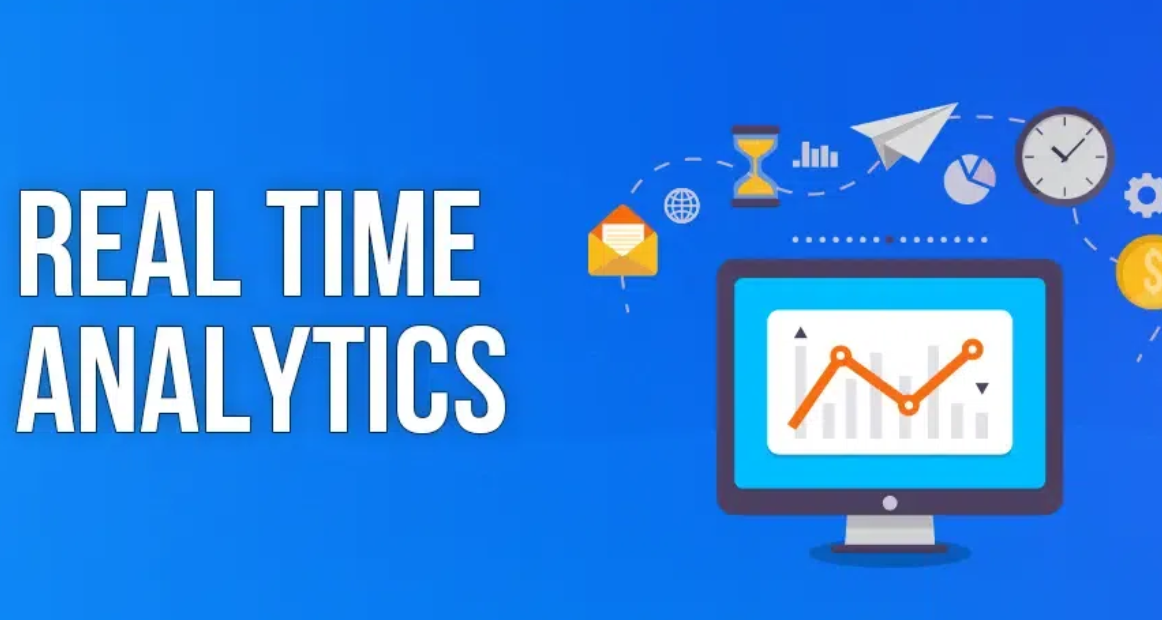
Real-time big data analytics refers to the process of collecting, processing, and analyzing data instantly as it is generated, allowing businesses to make immediate decisions.
Unlike traditional batch processing—where data is analyzed after being stored—real-time analytics processes data streams continuously. This enables organizations to respond to events as they happen.
Key Characteristics
- Low latency: Minimal delay between data generation and analysis
- Continuous processing: Data is analyzed in motion
- Immediate insights: Decisions can be made instantly
- Scalability: Handles massive volumes of streaming data
Why Real-Time Decision Making Matters
In a world driven by speed and competition, timing is everything. Real-time decision making allows businesses to:
- Respond instantly to customer behavior
- Detect and prevent fraud as it occurs
- Optimize operations on the fly
- Improve customer experiences
- Reduce risks and losses
For example, in online retail, recommending products in real time can significantly increase conversion rates. In finance, detecting fraudulent transactions instantly can prevent major losses.
The Evolution from Batch to Real-Time Analytics
Traditional Batch Processing
- Data is collected over time
- Processed periodically (daily, weekly, monthly)
- Insights are delayed
- Suitable for historical analysis
Real-Time Analytics
- Data is processed instantly
- Continuous data streams
- Immediate insights
- Suitable for dynamic environments
This shift represents a major transformation in how businesses operate, moving from reactive to proactive decision-making.
Technologies Powering Real-Time Big Data Analytics
Real-time analytics is made possible by a combination of advanced technologies that work together to process massive data streams efficiently.
1. Data Streaming Platforms
Tools like Apache Kafka and Apache Pulsar enable real-time data ingestion and streaming.
2. In-Memory Computing
In-memory processing allows data to be stored and analyzed in RAM, significantly reducing latency.
3. Cloud Computing
Cloud platforms provide scalable infrastructure for handling large volumes of streaming data.
4. Machine Learning and AI
AI algorithms analyze data patterns and make predictions in real time.
5. Edge Computing
Processing data closer to its source reduces latency and improves performance.
How Big Data Enables Real-Time Decision Making
1. Instant Customer Insights
Businesses can track customer interactions in real time, allowing them to:
- Personalize user experiences instantly
- Recommend relevant products
- Adjust website content dynamically
This leads to higher engagement and conversion rates.
2. Fraud Detection and Prevention
Financial institutions use real-time analytics to monitor transactions and detect anomalies.
For example:
- Identifying unusual spending patterns
- Blocking suspicious transactions instantly
- Preventing identity theft
Real-time detection minimizes financial losses and enhances security.
3. Operational Efficiency
Organizations can monitor operations continuously and make adjustments in real time.
Examples include:
- Managing supply chains dynamically
- Optimizing inventory levels
- Monitoring equipment performance
This improves efficiency and reduces downtime.
4. Dynamic Pricing Strategies
Businesses can adjust prices based on real-time data such as demand, competition, and customer behavior.
Industries that benefit include:
- Airlines
- Ride-sharing services
- E-commerce platforms
Dynamic pricing maximizes revenue and competitiveness.
5. Real-Time Marketing Optimization
Marketers can analyze campaign performance instantly and make adjustments on the fly.
This includes:
- Changing ad targeting
- Adjusting budgets
- Optimizing content
Real-time marketing ensures maximum ROI.
6. Enhanced Customer Support
Customer service teams can use real-time data to:
- Provide faster responses
- Resolve issues proactively
- Improve customer satisfaction
Chatbots and AI-driven systems play a key role in this process.
Real-World Applications
1. E-Commerce
Online retailers use real-time analytics to:
- Recommend products instantly
- Track user behavior
- Optimize checkout processes
2. Financial Services
Banks and fintech companies rely on real-time data for:
- Fraud detection
- Risk assessment
- Trading decisions
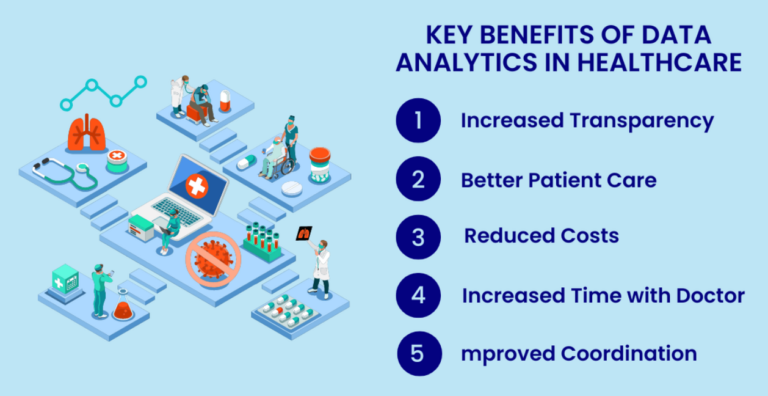
3. Healthcare
Healthcare providers use real-time analytics to:
- Monitor patient vitals
- Detect emergencies
- Improve treatment outcomes
4. Transportation and Logistics
Logistics companies optimize routes and delivery schedules using real-time data.
5. Manufacturing
Manufacturers monitor equipment and production lines in real time to prevent failures and improve efficiency.
Benefits of Real-Time Big Data Analytics
1. Faster Decision-Making
Immediate insights enable quick and informed decisions.
2. Improved Customer Experience
Real-time personalization enhances user satisfaction.
3. Increased Revenue
Dynamic strategies lead to higher sales and profitability.
4. Risk Reduction
Early detection of issues prevents major losses.
5. Competitive Advantage
Businesses that act faster gain an edge over competitors.
Challenges of Real-Time Analytics
While powerful, real-time analytics comes with its own set of challenges:
1. Infrastructure Complexity
Setting up real-time systems requires advanced technology and expertise.
2. High Costs
Initial investment in tools and infrastructure can be significant.
3. Data Quality Issues
Inaccurate data can lead to incorrect decisions.
4. Security Concerns
Handling sensitive data in real time increases the risk of breaches.
5. Scalability Challenges
Managing large volumes of streaming data requires scalable solutions.
Best Practices for Implementing Real-Time Analytics
To successfully adopt real-time big data analytics, businesses should:
1. Define Clear Objectives
Understand what decisions need to be made in real time.
2. Choose the Right Tools
Select technologies that align with business needs.
3. Ensure Data Accuracy
Implement data validation processes.
4. Focus on Security
Protect data with strong security measures.
5. Train Your Team
Invest in skilled professionals who can manage and analyze data effectively.
Future Trends in Real-Time Big Data Analytics
1. AI-Driven Automation
AI will automate decision-making processes, reducing human intervention.
2. Edge Analytics Growth
More data will be processed at the edge, closer to devices.
3. Increased Adoption Across Industries
More sectors will embrace real-time analytics.
4. Improved Data Visualization
Advanced dashboards will make insights easier to understand.
5. Integration with IoT
The growth of IoT devices will generate more real-time data.
Conclusion
Big data analytics for real-time decision making is transforming how businesses operate in the modern world. By enabling instant insights and rapid responses, it allows organizations to stay agile, competitive, and customer-focused.
From fraud detection and dynamic pricing to personalized marketing and operational efficiency, real-time analytics is driving innovation across industries. While challenges such as cost and complexity exist, the benefits far outweigh the risks.
As technology continues to evolve, real-time big data analytics will become an essential component of business strategy. Companies that embrace this approach will be better positioned to succeed in an increasingly data-driven and fast-paced digital economy.